New Delhi, India
- 317,797 people
- 18 places to visit
- 28.6139, 77.2088
Places to Visit (18)
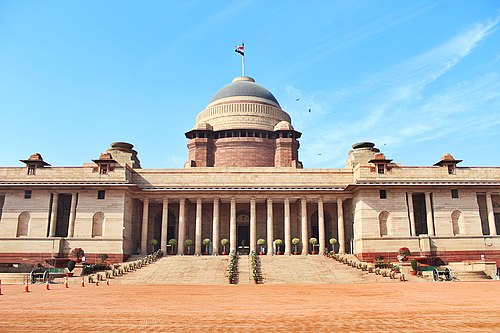
New Delhi, the capital of India, is located in the north-central part of the country and serves as one of the 11 districts of the National Capital Territory of Delhi. Established as the capital during the British Raj in 1911, New Delhi was designed by the British architect Sir Edwin Lutyens and is known for its distinctive blend of Indian traditions and colonial architecture. The city features wide boulevards, expansive green spaces, and notable landmarks such as the India Gate, Rashtrapati Bhavan, and the Parliament House. Covering an area of approximately 42.7 square kilometers, New Delhi is known for its diverse cultures, making it a vibrant melting pot of languages, religions, and traditions.
As of the 2011 census, New Delhi had a population of approximately 249,998 residents, while the larger metropolitan area has a population exceeding 20 million, making it one of the most populous cities in the world. The city boasts a rich historical landscape, with numerous museums, monuments, and heritage sites that showcase India's extensive history. Notable attractions include the Qutub Minar, Humayun's Tomb, and the Red Fort, which reflect the city’s Mughal past. New Delhi is also a pivotal center for politics and diplomacy in India, hosting numerous embassies and international organizations. The city's economy is diverse, with trade, information technology, telecommunications, and tourism contributing significantly to its growth. New Delhi is well-connected by an extensive public transport system, including the Delhi Metro, which enhances accessibility within the city and neighboring regions. With its unique combination of modernity and tradition, New Delhi remains a significant cultural and political hub in India.
Facts about New Delhi
- New Delhi is the capital city of India and serves as the center of the country's political landscape.
- It houses the Rashtrapati Bhavan, which is the official residence of the President of India, featuring impressive Mughal architecture.
- The India Gate, a prominent war memorial located in New Delhi, honors the soldiers who died in World War I and the Anglo-Afghan Wars.
- The city is part of the larger National Capital Territory of Delhi (NCT), which is one of the most populous urban agglomerations in the world.
- New Delhi is known for its extensive metro rail system, which is one of the largest and most advanced in India.
- The city is home to numerous UNESCO World Heritage Sites, including the Red Fort, Humayun's Tomb, and Qutub Minar, showcasing its rich historical significance.
- New Delhi was officially declared as the capital of India in 1931, following the shift from Kolkata (formerly Calcutta) during British colonial rule.
- The Lotus Temple, known for its flower-like shape, stands as a prominent symbol of peace and is open to people of all religions for meditation.
- New Delhi hosts the annual Republic Day parade on January 26th, showcasing India's military prowess and cultural diversity.
- The city boasts a diverse culinary scene, offering a blend of traditional Indian foods, street snacks, and international cuisines, making it a gastronomic hub.