New Orleans LA, United States
- 389,617 people
- 20 places to visit
- 29.9511, -90.0715
Places to Visit (20)
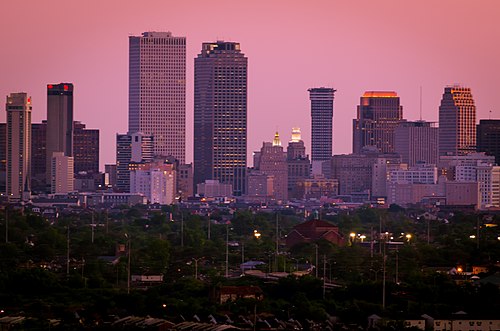
New Orleans, Louisiana, is a vibrant city located in the southeastern United States along the banks of the Mississippi River. Founded in 1718 by the French, New Orleans has a rich cultural heritage influenced by French, Spanish, African, and Creole traditions. The city's unique architectural styles, exemplified by its historic French Quarter, feature wrought-iron balconies, colorful façades, and a lively atmosphere. With a population of around 390,000, New Orleans is the largest city in Louisiana and serves as a major port and commercial center. Its strategic location made it a crucial hub for trade in the Gulf of Mexico, contributing significantly to its economic development.
New Orleans is renowned for its vibrant music scene, particularly as the birthplace of jazz. This musical heritage is celebrated during the annual New Orleans Jazz & Heritage Festival, which attracts visitors from around the world. The city is also famous for its rich culinary tradition, featuring dishes like gumbo, jambalaya, and beignets. Celebrated for its festive spirit, New Orleans hosts numerous annual events, with Mardi Gras being the most famous; this pre-Lenten celebration showcases elaborate parades, masked balls, and vibrant street parties. Despite facing significant challenges, including the devastation of Hurricane Katrina in 2005, New Orleans has shown resilience and determination in rebuilding. Today, it stands as a dynamic city known for its cultural depth, hospitality, and lively arts scene, making it a unique destination for tourists and residents alike.
Facts about New Orleans
- New Orleans is known as the birthplace of jazz, with famous musicians like Louis Armstrong and Jelly Roll Morton hailing from the city.
- The city hosts the annual Mardi Gras celebration, one of the largest and most famous festivals in the United States, featuring vibrant parades and elaborate costumes.
- New Orleans is renowned for its unique Creole and Cajun cuisines, with iconic dishes such as gumbo, jambalaya, and beignets.
- The French Quarter, the oldest neighborhood in New Orleans, features a mix of French, Spanish, and Creole architecture and is famous for Bourbon Street's nightlife.
- The city has a distinct cultural heritage influenced by a blend of African, French, Spanish, and Creole traditions, resulting in unique music, dance, and art.
- New Orleans is home to the historic St. Louis Cathedral, the oldest continuously active Roman Catholic cathedral in the United States.
- The city has one of the highest numbers of historic landmarks per capita in the United States, making it a UNESCO World Heritage Site.
- New Orleans' above-ground cemeteries, such as Lafayette Cemetery No. 1, are known for their elaborate tombs and crypts, stemming from the city's high water table.
- The Superdome, located in New Orleans, is one of the largest and most iconic stadiums in the world, hosting major events like the Super Bowl and the NCAA Final Four.
- New Orleans experienced significant cultural and social changes after Hurricane Katrina in 2005, reshaping its community and revitalizing efforts in music and art.