Newark NJ, United States
- 281,944 people
- 19 places to visit
- 40.7357, -74.1724
Places to Visit (19)
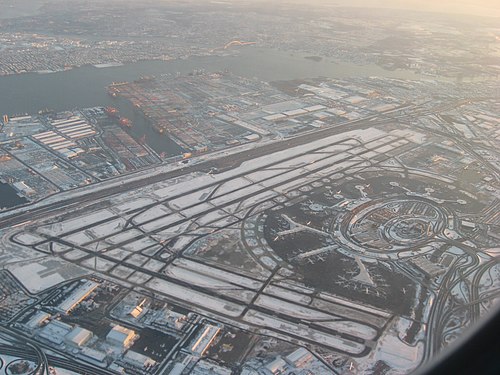
Newark, New Jersey, situated approximately eight miles west of Manhattan, is the largest city in the state and a significant hub for transportation, culture, and education. Founded in 1666 by Puritans from Connecticut, Newark became a vital center for commerce and industry in the 19th century, owing much of its growth to its strategic location along the Passaic River and its proximity to New York City. The city's multicultural heritage is reflected in its diverse population, which includes large communities of African American, Hispanic, and Portuguese residents. This cultural mosaic contributes to the city's vibrant arts scene, notable festivals, and culinary diversity, showcasing a mix of traditions from around the world.
Newark serves as a major transportation hub, with the Newark Liberty International Airport being one of the earliest major airports in the United States. The city is also well-connected by train systems, including NJ Transit and Amtrak, which facilitate easy access to New York City and Philadelphia. Newark is home to several higher education institutions, including Rutgers University-Newark and the New Jersey Institute of Technology, making it a center for academic research and innovation. The city's revitalization efforts have led to a resurgence in real estate development and new business enterprises, particularly in the downtown area. Landmarks such as the Prudential Center, home to the NHL's New Jersey Devils, and the New Jersey Performing Arts Center underscore Newark's role as a cultural and entertainment destination in the region. Although Newark faces challenges typical of urban centers, including issues related to public safety and economic inequality, ongoing initiatives aim to enhance the quality of life for its residents and promote sustainable growth. With its rich history and promising future, Newark continues to evolve while maintaining a strong sense of community and identity.
Facts about Newark
- Newark is the largest city in New Jersey and one of the oldest cities in the United States, founded in 1666.
- The city is home to the Newark Liberty International Airport, which is one of the oldest operating airports in the world, opened in 1928.
- Newark features the New Jersey Performing Arts Center (NJPAC), one of the largest performing arts centers in the country, hosting a variety of cultural events and performances.
- The Newark Museum of Art is the largest museum in New Jersey, renowned for its diverse collection of art, including American art, decorative arts, and Asian art.
- Newark has a rich cultural heritage, being home to the historic Ironbound district, known for its vibrant Portuguese and Spanish communities and excellent restaurants.
- The city played a significant role in the American industrial revolution, becoming a center for manufacturing, particularly in industries like textiles, beer brewing, and leather.
- Newark is the birthplace of multiple influential figures, including Philip Roth, the acclaimed author known for his works exploring themes of identity and American life.
- The city is also known for its professional sports teams, including the Newark Bears and the New Jersey Devils, whose home games are held at the Prudential Center.
- Newark is a major transportation hub, connected by extensive rail and road systems, including the NJ Transit and Amtrak services, making it a gateway to New York City.
- The city has been recognized for its efforts in urban revitalization and sustainability, implementing green initiatives and community development projects to enhance urban life.