Neyshābūr, Iran
- 220,929 people
- 6 places to visit
- 36.2132, 58.7943
Places to Visit (6)
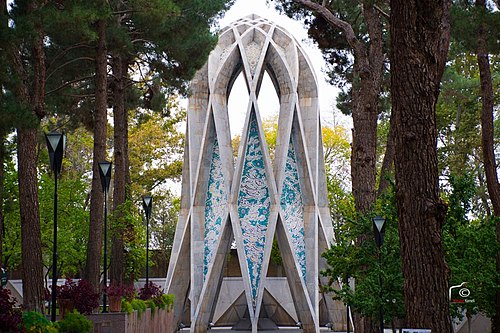
Neyshābūr, located in northeastern Iran, is a city rich in history and culture, known for its significant contributions to Persian literature, arts, and philosophy. It is situated in the Khorasan province, about 100 kilometers east of Mashhad, at an elevation of approximately 1,200 meters above sea level. Historically, Neyshābūr has been a bustling center of trade and learning, particularly during the Seljuk Empire when it flourished as a hub for scholars, poets, and craftsmen. The city has been mentioned in various classical texts and is often associated with celebrated Persian poets like Omar Khayyam and Attar of Nishapur, who shaped the literary landscape of Iran.
The city’s rich heritage is underscored by its architectural marvels, including the beautiful Tomb of Omar Khayyam, which attracts visitors and scholars alike. Neyshābūr is also famous for its historical bazaars and traditional Persian gardens, reflecting the city's longstanding cultural significance. The surrounding region is known for its stunning landscapes, with the Aladagh Mountains providing a scenic backdrop. In addition to its literary and historical importance, Neyshābūr is also a center for agriculture, producing crops such as saffron, fruits, and cereals that contribute to the local economy. The combination of its historical depth, cultural richness, and economic activity makes Neyshābūr an important city in Iran's cultural and geographical landscape.
Facts about Neyshābūr
- Neyshābūr is known for the tomb of the celebrated Persian poet Omar Khayyam, who was not only a poet but also a mathematician and astronomer.
- The city has historical roots dating back to the pre-Islamic era, having been founded in the 3rd century CE, making it one of the oldest cities in Iran.
- Neyshābūr was a major cultural and economic center during the Seljuk Empire, often referred to as the 'cultural capital' of the period.
- The city is famous for its traditional Persian carpets, which are highly sought after and represent the rich textile heritage of the region.
- Neyshābūr is associated with the legacy of the philosopher and poet Farid ud-Din Attar, who is regarded as one of the greatest Sufi poets in Persian literature.
- The local museum, the Neyshābūr Museum of Natural History, showcases a unique collection of fossils, particularly from the Jurassic period, distinguishing it from other museums in Iran.
- Neyshābūr is home to the historically significant Jameh Mosque, which features exquisite tile work and reflects the architectural style of the 12th century.
- The city is also noted for the Neyshābūr potters' village, where traditional pottery techniques are preserved and practiced.
- The region surrounding Neyshābūr is known for its rich agricultural output, particularly pomegranates and saffron, making it stand out in terms of local produce.
- Neyshābūr was an important stop on the ancient Silk Road, contributing to its cultural diversity and economic significance throughout history.