Ngaoundéré, Cameroon
- 238,196 people
- 5 places to visit
- 7.3381, 13.5668
Places to Visit (5)
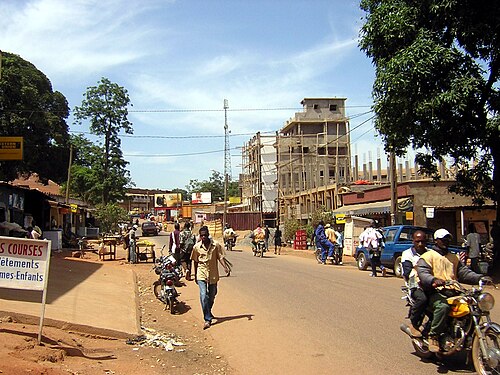
Ngaoundéré is a city located in the Adamawa Region of Cameroon, serving as the capital of both the Vina Division and the broader region. Positioned approximately 400 kilometers north of Yaoundé, the national capital, it sits at an elevation of about 1,100 meters, making it one of the higher-altitude cities in Cameroon. This geographical setting contributes to Ngaoundéré's unique climate, characterized by a cooler temperature compared to much of the country, with distinct wet and dry seasons. The city's population is diverse, comprising various ethnic groups, including the Fulanis, the Gbiri-Nfram, and the Bororo, which reflects the rich cultural tapestry of the region.
Ngaoundéré has a strategic importance due to its role as a commercial and transport hub in Central Africa. The city acts as a focal point for trade between the northern and southern parts of Cameroon, and it serves as a gateway to the surrounding regions, including Chad and Nigeria. The city is well-connected by road, with major highways facilitating commerce and travel. In addition to its economic significance, Ngaoundéré is known for its historical and cultural sites, including traditional markets and the renowned Ngaoundéré Grand Mosque, which illustrates the Islamic influence in the area. The city also hosts the University of Ngaoundéré, which offers higher education and vocational training programs, contributing to the local economy and providing opportunities for youth in the region. Overall, Ngaoundéré serves as a vital center for commerce, education, and culture in Cameroon, with a bright potential for growth and development.
Facts about Ngaoundéré
- Ngaoundéré serves as the capital of the Adamawa Region, making it an administrative and commercial center distinct from other cities in Cameroon.
- The city is known for its vibrant cultural diversity, home to several ethnic groups including the Fulani, Gbiri-Nasara, and Mbum, which is reflected in its festivals and local traditions.
- Ngaoundéré is strategically located at a crossroads between the northern and southern parts of Cameroon, serving as a major transit hub for goods and people.
- The city is famous for its unique blend of traditional and modern architecture, including the historic Lamido's palace, which symbolizes the Fulani heritage.
- Ngaoundéré hosts the annual Ngondo Festival, a cultural celebration that highlights the traditions of the Sawa people, distinguishing it from many other cities that may not have such prominent cultural festivals.
- The region around Ngaoundéré is rich in natural beauty, including the scenic landscapes of the Adamawa Plateau, which features rolling hills and lush greenery.
- Ngaoundéré is recognized for its agricultural production, particularly in crops like maize, millet, and cassava, which are staple foods in the country.
- With the establishment of the University of Ngaoundéré, the city has become a center for higher education, contributing to its growth and development.
- The city plays a vital role in the livestock trade, particularly cattle, which is central to the Fulani way of life, differentiating it from other urban areas in Cameroon.
- Ngaoundéré has a rich historical background as a trade center for several centuries, being a point of contact between different cultures and trade routes in the region.