Niagara, Canada
- 31,180 people
- 43.6446, -79.4071
No places available for this city.
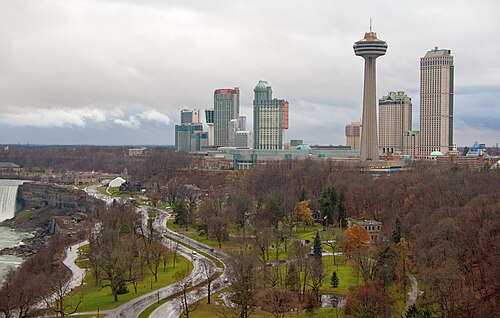
Niagara, located in Ontario, Canada, is a city renowned for its breathtaking natural beauty and iconic landmarks. Situated near the international border with the United States, it lies adjacent to the famous Niagara Falls, one of the most visited tourist attractions in the world. The city, which plays a significant role in the Canadian tourism landscape, attracted millions of visitors each year, drawn by its spectacular waterfalls, scenic parks, and vibrant entertainment scene. The Falls, consisting of three distinct cascades—Horseshoe Falls, American Falls, and Bridal Veil Falls—create a stunning panorama that captivates nature lovers and adventure seekers alike. The surrounding area includes attractions such as the Niagara Parks Botanical Gardens and Queen Victoria Park, which offer serene environments for visitors to explore.
Historically, Niagara was established in the late 19th century and has since evolved into a thriving city with a diverse population and a rich cultural heritage. The city is part of the Niagara Region, which is also known for its wineries and agricultural produce, benefiting greatly from the area’s unique climate. Beyond the natural environment, Niagara encompasses a wide array of entertainment options, including theaters, casinos, and festivals that celebrate local art and culture. The city is home to the Niagara SkyWheel, one of Canada’s largest observation wheels, providing panoramic views of the Falls and the surrounding area. Additionally, the vibrant Clifton Hill district boasts a plethora of dining, shopping, and family-friendly attractions, further enhancing its appeal to tourists.
Niagara’s economy is heavily influenced by tourism but also includes sectors such as manufacturing and agriculture, which contribute to the city’s growth and development. Efforts have been made to preserve the natural environment and promote sustainable tourism, allowing future generations to enjoy the beauty that Niagara offers. With its unique blend of natural wonders, entertainment, and cultural significance, Niagara serves as both a gateway to the awe-inspiring Niagara Falls and a vibrant city in its own right, representing a key destination in Canada.
Facts about Niagara
- Niagara is home to the world-famous Niagara Falls, one of the most visited natural attractions in Canada, attracting millions of visitors each year.
- The city is strategically located on the border with the United States, adjacent to Niagara Falls, New York, making it a key point for cross-border tourism.
- Niagara was established in 1881 and was incorporated as a city in 1904, making it one of the newer cities in Canada.
- The area played a significant role during the War of 1812, with notable battles such as the Battle of Queenston Heights occurring nearby.
- Niagara is known for its wine production, being part of the Niagara Peninsula wine region, which produces award-winning wines including Icewine, a dessert wine made from frozen grapes.
- The city hosts the annual Niagara Wine Festival, celebrating the region's winemaking heritage and attracting wine lovers from across the country.
- Niagara is home to the Niagara Parks Commission, which manages the parklands along the Niagara River, preserving the natural beauty and cultural heritage of the area.
- The city features the Butterfly Conservatory, one of the largest in North America, allowing visitors to experience thousands of butterflies in a tropical setting.
- Niagara promotes tourism through events like the Winter Festival of Lights, which transforms the city into a winter wonderland with millions of lights and displays each year.
- The Canadian side of Niagara Falls has a more expansive viewing area and offers various attractions such as the Journey Behind the Falls, allowing visitors to experience the power of the falls up close.