Niamey, Niger
- 1,323,691 people
- 11 places to visit
- 13.5116, 2.1254
Places to Visit (11)
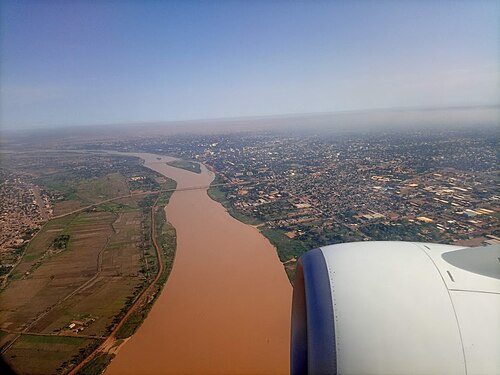
Niamey is the capital and largest city of Niger, situated on the banks of the Niger River in the southwestern part of the country. As of the latest estimates, it has a population of approximately 1.3 million residents, making it a significant urban center in West Africa. The city plays a vital role in the political, cultural, and economic life of Niger. Established as a trading post, Niamey has evolved into a hub for commerce, education, and governance. It hosts various government institutions, including the presidential palace, national assembly, and foreign embassies, along with several international organizations.
The city is characterized by a mix of traditional and modern elements, with markets bustling with local goods such as textiles, handicrafts, and fresh produce. The vibrant culture of Niamey is evident in its numerous festivals, music scenes, and art exhibitions, reflecting the diverse ethnic groups that inhabit the area, including the Hausa, Djerma, and Tuareg. Landmark sites like the National Museum of Niger highlight the country's rich history and heritage, showcasing artifacts and art that narrate the story of the region. Niamey's climate is predominantly hot and dry, with a brief rainy season from June to September, which influences the lifestyle and economic activities of its inhabitants.
Despite facing challenges such as poverty, infrastructure deficits, and environmental issues like desertification, Niamey is continually developing. Efforts are being made to improve urban infrastructure, increase access to education, and enhance public services. The city’s location along the Niger River is crucial for agriculture, trade, and transportation, enabling it to maintain its strategic significance in the region. Overall, Niamey embodies the complexities of a growing urban center in Africa, balancing tradition and modernity while striving to address socio-economic challenges.
Facts about Niamey
- Niamey is the capital and largest city of Niger, serving as the political and administrative center of the country.
- The city is situated on the banks of the Niger River, which plays a crucial role in the local economy and transportation.
- Niamey is home to the Grand Mosque, an important architectural and cultural landmark that showcases the Islamic heritage of the region.
- The National Museum of Niger, located in Niamey, exhibits a wide range of artifacts that reflect the country's diverse ethnic heritage and history.
- Niamey hosts the annual Festival on the Niger, celebrating local culture, music, and art, attracting visitors from around the country and beyond.
- The city is known for its vibrant markets, such as the Bazaar de la Ville, where locals sell traditional crafts, textiles, and food items.
- Niamey has a unique blend of modernity and tradition, featuring contemporary buildings alongside traditional mud-brick constructions.
- The city is a key educational hub, housing several universities and research institutions, including the University of Niamey.
- Niamey is strategically located and serves as a central point for trade and transport within West Africa, connecting to various neighboring countries.
- The city's climate is characterized by a hot semi-arid environment, with a distinct wet season that influences local agriculture and lifestyle.