Nienburg, Germany
- 32,629 people
- 12 places to visit
- 52.6381, 9.2084
Places to Visit (12)
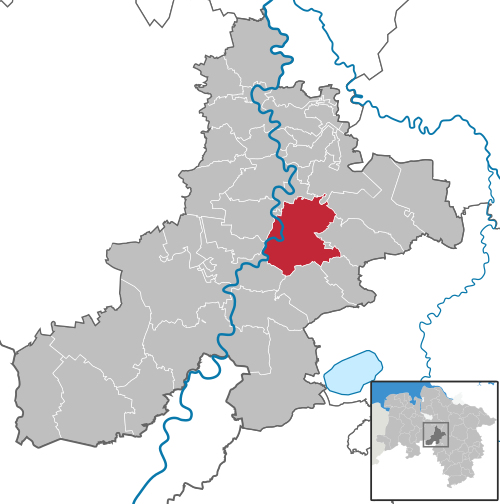
Nienburg is a charming town located in Lower Saxony, Germany, positioned on the banks of the Weser River. It serves as the capital of the Nienburg district and boasts a population of approximately 31,000 residents. With a rich history spanning back over a thousand years, Nienburg became noteworthy in the 12th century as a center for trade and the Hanseatic League’s influence. The town features a mix of historical architecture and modern amenities, making it an appealing destination for both locals and visitors alike.
The historical center of Nienburg showcases traditional half-timbered houses, cobblestone streets, and the iconic St. Martin’s Church, which dates back to the 13th century. The church's impressive Gothic architecture and stained glass windows attract many tourists and history enthusiasts. In addition to its cultural significance, Nienburg also celebrates the annual St. Martin's Day Festival, which draws crowds and features lively processions, local delicacies, and community activities. The town is also known for its specialty in the production of the “Nienburger Gehacktes,” a regional dish made from seasoned minced pork, reflecting the town's rich culinary heritage.
Surrounding Nienburg is picturesque countryside ideal for outdoor activities such as hiking and cycling, with numerous trails that explore the natural beauty of the region. The town's strategic location allows for easy access to larger cities such as Hannover and Bremen, making it a convenient point for both residents and tourists. Additionally, Nienburg participates in various educational initiatives, home to several schools and a commitment to fostering a vibrant community. This blend of historical significance, cultural richness, and scenic beauty makes Nienburg an attractive spot in Germany for those looking to explore the region's heritage and enjoy community-oriented living.
Facts about Nienburg
- Nienburg is known for its historical significance as a center of the cloth trade in the Middle Ages, which was integral to its economic development.
- The city hosts the Nienburg Castle, a notable landmark that dates back to the 13th century, showcasing the medieval architecture of the region.
- Nienburg is famous for its annual Wishing Well Festival, which celebrates local folklore and brings together cultural traditions unique to the Weser region.
- The city is located at the meeting point of the Weser and Lachte rivers, which has influenced its development and offers picturesque river landscapes.
- Nienburg has a rich agricultural heritage and is renowned for its asparagus cultivation, particularly during the asparagus season from April to June.
- The St. Martin's Church in Nienburg features a remarkable 16th-century altar and is a significant example of North German Gothic architecture.
- Nienburg is home to the Nienburg University of Applied Sciences, contributing to its reputation as a hub for education and innovation in the region.
- The city has been a crossing point for trade routes since the 9th century, making it historically important in connecting different regions of Germany.
- Nienburg is known for its unique dialect, 'Plattdeutsch,' which reflects the cultural heritage of Lower Saxony and adds to the town's character.
- The city actively participates in the Cittaslow movement, promoting a slower pace of life and emphasizing the importance of local culture and community.