Nihommatsu, Japan
- 36,287 people
- 16 places to visit
- 37.5849, 140.4312
Places to Visit (16)
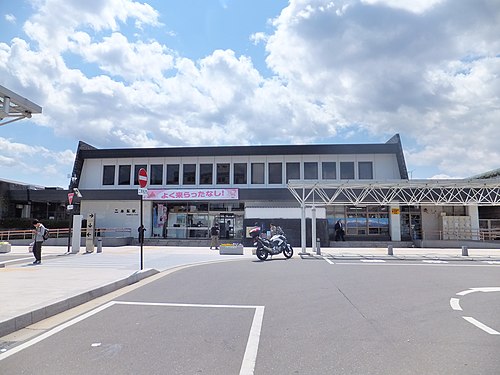
Nihommatsu is a city located in Fukushima Prefecture, Japan, positioned in the northeastern part of Honshu island. It lies approximately 30 kilometers southeast of the prefectural capital, Fukushima City. Established as a city in 2003 through the merger of Nihommatsu City and the surrounding towns of Takada and Kawanuma, it has a population of around 35,000 residents. The area is known for its rich history, beautiful landscapes, and cultural heritage, making it an intriguing destination for both domestic and international visitors.
Historically, Nihommatsu served as a castle town during the Edo period and was the residence of the Nihommatsu Domain. The city retains elements of this legacy, including historic sites and traditional architecture. One notable landmark is the remnants of Nihommatsu Castle, which offer scenic views of the surrounding area. The city is also renowned for its natural beauty, with parks and lush greenery that change dramatically with the seasons, including cherry blossoms in spring and vibrant foliage in autumn. In addition to its historical significance and natural attractions, Nihommatsu hosts various annual festivals that celebrate local culture and traditions, such as the Nihommatsu Lantern Festival, which features beautifully lit lanterns adorning the streets.
Economically, Nihommatsu benefits from agriculture and local businesses. The fertile lands surrounding the city contribute to the production of various crops, with rice and fruit being particularly significant. Additionally, the city has made efforts to promote tourism and showcase its cultural assets, including local crafts and cuisine. As part of the recovery efforts following the 2011 Fukushima Daiichi nuclear disaster, Nihommatsu has emphasized its commitment to safety and revitalization, positioning itself as a welcoming community for residents and tourists alike. With its blend of history, culture, and natural beauty, Nihommatsu continues to be an appealing destination in Japan.
Facts about Nihommatsu
- Nihommatsu is known for its unique historical significance as the site of Nihommatsu Castle, which dates back to the 15th century and played a key role in the region's feudal era.
- The city is famous for its stunning cherry blossom trees, particularly at the Nihommatsu City Park, which attracts visitors during the Sakura season due to its picturesque scenery.
- Nihommatsu hosts the annual Nihommatsu Lantern Festival, a vibrant celebration featuring thousands of illuminated lanterns, showcasing traditional Japanese culture and community spirit.
- The region is celebrated for its production of high-quality sake, with several local breweries, reflecting the rich agricultural heritage and climate conducive for rice growing in the area.
- Nihommatsu has a unique cultural blend, heavily influenced by its proximity to the traditional Aizu region, which is rich in samurai history and crafts, setting it apart from other cities.
- The city is home to the famous Fureai no Sato Nikko, a local craft and cultural center that allows visitors to engage with traditional Japanese crafts and local artisans.
- Nihommatsu features the historic Kannon Temple, which is dedicated to Kannon, the Buddhist goddess of mercy, making it a significant spiritual site and tourist attraction.
- The city has preserved its traditional wooden houses from the Edo period, offering a glimpse into Japan's architectural heritage and a distinct vibe compared to more modern urban areas.
- Nihommatsu is renowned for hosting various educational institutions, including the Nihommatsu Institute of Technology, fostering growth in research and innovation in the region.
- The scenic landscape surrounding Nihommatsu includes beautiful mountains and nature trails, providing residents and visitors with ample opportunities for outdoor activities such as hiking and skiing.