Niigata, Japan
- 797,591 people
- 8 places to visit
- 37.9161, 139.0364
Places to Visit (8)
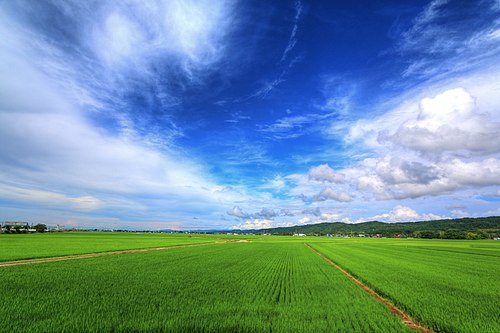
Niigata is a prominent city located on the west coast of Honshu, Japan, serving as the capital of Niigata Prefecture. Situated along the shores of the Sea of Japan, it boasts a strategic position as a key port, facilitating maritime trade and transportation. The city has a population of approximately 800,000 residents and is known for its rich history, cultural heritage, and economic significance. Niigata's development accelerated during the Edo period, becoming an important hub for rice production and trade, which laid the foundation for its present-day prosperity. The region is renowned for its high-quality rice, specifically Koshihikari, which is celebrated across Japan.
In addition to its agricultural contributions, Niigata is distinguished for its scenic landscapes, featuring the Chūetsu region's mountains and the iconic Sado Island, positioned nearby. The city experiences a humid continental climate, resulting in heavy snowfall during winter, which shapes its seasonal culture, including winter festivals and sports activities. Niigata is also famous for its delicious seafood, drawing culinary enthusiasts to its local restaurants. Furthermore, the city is known for various cultural sites, including historical buildings, museums, and traditional arts, such as Kintsugi pottery and sake brewing, which reflect the area’s rich artisanal traditions. As a gateway to exploring the natural beauty and cultural depth of the region, Niigata combines historical resonance with modern amenities, making it a notable destination for visitors and a vital urban center in Japan.
Facts about Niigata
- Niigata is known as the rice capital of Japan, producing the highly prized Koshihikari variety, celebrated for its taste and quality.
- The city has a unique historical significance as a major port during the Edo period, facilitating trade and cultural exchange with foreign nations.
- Niigata is home to the famous Niigata Sake, and the annual Niigata Sake Festival celebrates the region's exceptional sake breweries and their products.
- The Niigata City History Museum is notable for showcasing the rich cultural heritage and history of the region, distinguishing it from many other local museums in Japan.
- Niigata features the beautiful Niigata Furumachi area, renowned for its traditional wooden buildings and lively atmosphere, blending history with modern urban life.
- The city is famous for the Niigata Festival, one of the largest summer festivals in Japan, featuring colorful parades, traditional dances, and fireworks.
- Niigata is also known for its scenic coastline along the Sea of Japan, which offers stunning views and recreational opportunities, setting it apart from inland cities.
- The region's natural hot springs, known as onsen, are a major attraction, with some of the best onsen resorts found in the nearby mountains and rural areas.
- Niigata is recognized for its snowy winters, hosting the annual Niigata Snow Festival, which features spectacular snow sculptures and winter activities.
- The city's comprehensive transportation network, including ferry services to Sado Island, makes it a gateway for tourists and distinguishes it from other cities in Japan.