Nijmegen, Netherlands
- 158,732 people
- 17 places to visit
- 51.8433, 5.8609
Places to Visit (17)
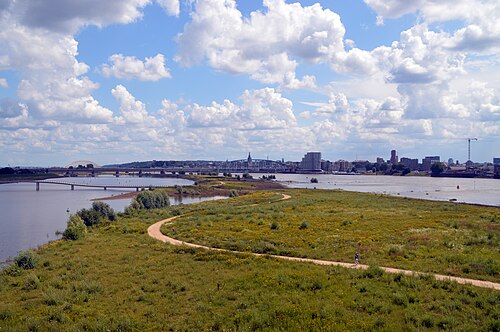
Nijmegen, located in the eastern part of the Netherlands, is the country’s oldest city, with a history that dates back over 2,000 years. First established as a Roman settlement called Noviomagus, it became a vital center for trade and military operations in the Roman Empire. The city’s historical significance is reflected in its rich array of archaeological sites, including remnants of Roman walls and artifacts that underscore its longstanding importance as a crossroads of culture and commerce. Nijmegen is situated on the banks of the Waal River, a major tributary of the Rhine, which has shaped its development and connectivity throughout the centuries.
Today, Nijmegen is a vibrant urban center known for its blend of historical architecture and modern amenities. The city features a variety of cultural attractions, including the Museum Het Valkhof, which showcases art and archaeology, and the Stevenskerk, a notable Gothic church that dates back to the 13th century. Nijmegen is also home to several universities and institutions, contributing to a youthful and dynamic atmosphere. The city is renowned for its annual International Four Day Marches, which attract participants from around the world, highlighting its commitment to health and fitness. The local economy thrives on education, healthcare, and technology, with numerous high-tech industries emerging in recent years. Overall, Nijmegen represents a unique synthesis of historical depth and contemporary vibrancy, making it a significant destination in the Netherlands.
Facts about Nijmegen
- Nijmegen is the oldest city in the Netherlands, with roots dating back over 2,000 years to Roman times.
- The annual Four Days Marches (Vierdaagse) in Nijmegen is one of the largest walking events in the world, attracting thousands of participants every July.
- Nijmegen is home to the oldest surviving stone structure in the Netherlands, the Valkhof Museum, which showcases Roman artifacts.
- The city was heavily bombed during World War II, resulting in significant reconstruction efforts, which makes its modern architecture distinct compared to other Dutch cities.
- Nijmegen is located at the intersection of the Waal and Rhine rivers, making it a crucial shipping hub in Europe.
- The city's university, Radboud University, is one of the leading research universities in the Netherlands, emphasizing its role in education and innovation.
- Nijmegen has a vibrant cultural scene, including the annual 'Nijmegen Asian Festival,' celebrating the diverse community and cultural exchanges.
- The city features the unique 'Nijmegen Bridge' (Nijmeegse brug), a striking connection across the Waal River, known for its iconic design.
- The historic Valkhof Park offers panoramic views of the Waal River and features remnants of Roman history, such as the remains of a Roman temple.
- Nijmegen became a green capital in 2018, recognized for its sustainability initiatives and commitment to environmental awareness.