Ningbo, China
- 3,731,203 people
- 11 places to visit
- 29.8683, 121.544
Places to Visit (11)
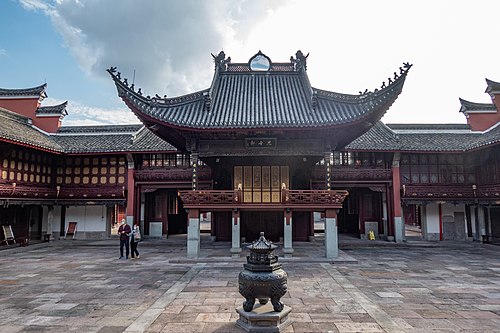
Ningbo, located in the northeastern part of Zhejiang Province in China, is a major port city steeped in history and economic significance. Founded over 7,000 years ago, Ningbo is one of the oldest cities in the country, with a rich cultural heritage that includes historical landmarks such as the Tianyi Pavilion, which dates back to the Ming Dynasty and is the oldest library in China. The city boasts a strategic location along the East China Sea, making it an essential hub for trade and transportation. Ningbo's port is among the busiest in the world, facilitating international commerce and contributing significantly to its economy. In recent years, it has developed into a leader in manufacturing, logistics, and shipping industries.
Ningbo is not just an economic powerhouse; it also has a vibrant cultural scene and various attractions for visitors. The city is known for its beautiful landscapes, featuring scenic areas like Dongqian Lake and the Xikou Scenic Area. Ningbo is home to numerous temples, parks, and markets, where traditions reflect its historical roots. The local cuisine, prominent in its seafood dishes, is another draw for food enthusiasts. With a population of over 3 million people, Ningbo is a city that balances modern urban development with cultural preservation, making it a significant player on both domestic and international fronts. The combination of its rich history, economic strength, and cultural diversity positions Ningbo as a dynamic city in contemporary China.
Facts about Ningbo
- Ningbo is one of the oldest cities in China, with a history that dates back over 7,000 years and was an important trading port during the Tang and Song dynasties.
- The city is home to the Ningbo Port, which is one of the busiest and largest ports in the world, playing a crucial role in international trade.
- Ningbo has a unique blend of cultural heritage, represented by landmarks such as the Tianyi Pavilion, the oldest private library in China, built in 1561.
- Ningbo is known for the Wangchao (Wang's Tide) tidal phenomenon, where the ocean's tide creates impressive waves upon the river that can reach heights of several meters.
- The city is recognized for its rich Buddhist history, exemplified by the Lingyin Temple and many ancient pagodas, making it a religious tourism hub.
- Ningbo is a leader in manufacturing and is particularly famous for its production of electrical appliances and textiles, contributing significantly to China's economy.
- The city celebrates the Ningbo International Dragon Boat Festival, which attracts teams from around the world and showcases its maritime culture.
- Ningbo features a well-preserved ancient street called Laowaitan, renowned for its historical architecture and vibrant atmosphere, differentiating it from other urban areas in China.
- The city is a center of Ningbo Cuisine, known for its seafood dishes and unique flavor profiles, offering a culinary experience distinct from other Chinese cuisines.
- Ningbo was one of the starting points of the Maritime Silk Road, making it a historical trade hub that linked China with countries in Southeast Asia and beyond.