Niort, France
- 54,660 people
- 10 places to visit
- 46.3231, -0.4674
Places to Visit (10)
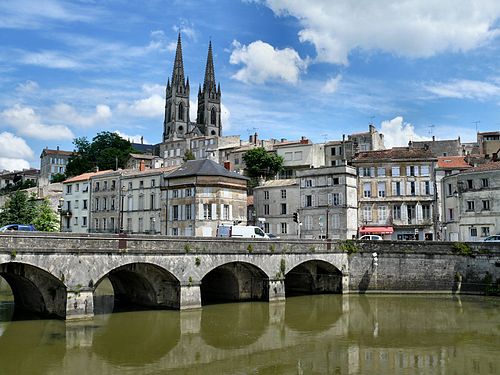
Niort is a commune in the Deux-Sèvres department in western France, located about 30 kilometers from the Atlantic coast. With a population of approximately 60,000 residents, it serves as the capital of the department and is positioned at the confluence of the Sèvre Niortaise and the Epte rivers, which historically contributed to its significance as a commercial and trade center. The city benefits from a strategic location, providing access to major urban centers like La Rochelle, Poitiers, and Niort's own vibrant local economy, primarily centered around insurance, agriculture, and services. Niort is also known as a hub for mutual insurance companies, earning it the nickname "the French insurance capital."
The architectural landscape of Niort is marked by a blend of historical and modern elements. Its most notable landmark is the Donjon de Niort, a medieval castle built in the 12th century, which showcases the city’s rich history and defensive past. The structure stands as a symbol of Niort's medieval heritage and offers panoramic views of the surrounding area. Alongside the Donjon are charming streets adorned with half-timbered houses, reflecting the city's medieval architecture. The local economy is further bolstered by the vibrant cultural scene, which includes museums, theaters, and various festivals that celebrate both local traditions and contemporary arts. The city hosts a range of markets that highlight regional produce, handicrafts, and gastronomic delicacies, underscoring its role as a focal point for local commerce.
Furthermore, Niort is well-connected by transportation networks, including road and rail links, making it accessible for visitors. The proximity to natural reserves, such as the Marais Poitevin, a vast wetland area known for its scenic canals and rich biodiversity, enhances the city’s appeal as a destination for outdoor activities and eco-tourism. Niort’s commitment to sustainability is evident in its urban planning and initiatives aimed at improving the quality of life for residents. Overall, Niort blends a rich historical narrative with modern urban life, making it a unique and engaging city in the heart of western France.
Facts about Niort
- Niort is known for being the capital of the Deux-Sèvres department and is often referred to as the gateway to the Marais Poitevin, a vast marshland that is classified as a Grand Site de France.
- The city's medieval center features the impressive Donjon de Niort, a 12th-century keep that is one of the best-preserved castles from the Plantagenet era in France.
- Niort hosts the world's largest collection of architecture associated with the local specialty: the 'sèvre niortaise' boat, which is a traditional flat-bottomed vessel used for navigating the local waterways.
- Every September, Niort celebrates Les Mardis de Niort, a series of outdoor events that showcase local music, art, and gastronomy, creating a vibrant cultural atmosphere.
- The city is home to the unique 'Brioche de Niort', a local pastry that features a rich, buttery dough with a distinctive shape and is appreciated during festive occasions.
- Niort’s history is closely intertwined with the trade of textiles and leather, and it was once a significant center for the French leather industry during the 19th century.
- The city has an extensive network of cycle paths and is recognized for promoting eco-friendly transport, being one of the most bicycle-friendly towns in France.
- Niort features the stunning Church of Saint-André, a remarkable example of Romanesque architecture, which dates back to the 12th century and showcases intricate stained glass windows.
- The town has a vibrant market scene, particularly known for its 'Marché de Niort', where local farmers and artisans sell fresh produce and regional specialties, highlighting the city's agricultural roots.
- Niort is renowned for hosting the annual 'Festival Atmosphères', which is dedicated to environmental themes and sustainability, drawing international attention to contemporary ecological issues.