Nizhny Tagil, Russian Federation
- 381,116 people
- 4 places to visit
- 57.9215, 59.9816
Places to Visit (4)
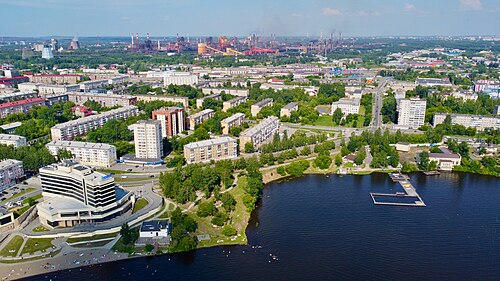
Nizhny Tagil is a city located in the Sverdlovsk Oblast of the Russian Federation, approximately 150 kilometers (93 miles) north of Yekaterinburg. Founded in 1722, Nizhny Tagil is one of the oldest industrial cities in the Ural region and was originally established as a center for iron production. The city sits at the confluence of the Tagil River and the Nizhny Tagil River, surrounded by picturesque landscapes that include the Ural Mountains to the west. Its industrial significance grew throughout the 18th and 19th centuries, particularly with the establishment of the Nizhny Tagil Iron and Steel Works, which became a key player in the Russian metallurgical industry. The city's strategic location and access to natural resources contributed to its development as a major industrial hub.
Throughout the 20th century, Nizhny Tagil became synonymous with heavy industry and manufacturing, particularly in the production of tanks and heavy machinery. The Uralvagonzavod plant, founded in 1936, is one of the largest manufacturers of military vehicles and railway cars in Russia, significantly bolstering the city's economy and workforce. The city's industrial growth, however, was accompanied by environmental challenges, including pollution and the socio-economic shifts following the dissolution of the Soviet Union. In recent years, efforts have been made to diversify the economy and revitalize the city, focusing on education, tourism, and smaller-scale industrial ventures.
Nizhny Tagil is also known for its cultural heritage and historical landmarks. The city boasts several museums, including the Nizhny Tagil Museum of Local Lore, which showcases the region’s history, culture, and natural landscape. The city’s historical architecture includes the Church of the Ascension, built in the late 19th century, and various industrial buildings that reflect its rich industrial past. Additionally, Nizhny Tagil hosts events and festivals that celebrate its artistic contributions, such as music and theater performances. The city is recognized for its unique blend of industrial legacy and cultural identity, making it an important part of the Ural region’s historical landscape.
Facts about Nizhny Tagil
- Nizhny Tagil is known for its rich industrial history, particularly as a center for metallurgy and heavy machinery production since the 18th century.
- The city is home to the world's oldest and still operational railway bridge made of metal, built in 1847 over the Tagil River.
- Nizhny Tagil is famous for its monumental statue of Lenin, which is one of the tallest in Russia, standing at 23 meters.
- The city is recognized as a significant cultural hub, hosting the Nizhny Tagil International Film Festival, which focuses on films made for children and youth.
- Nizhny Tagil houses the 'Vysoky Ural' Museum, dedicated to the history of the Ural mountain region and its industrial development.
- The city played a notable role during World War II, with many of its factories shifting production to support the Soviet war effort, producing tanks and other military vehicles.
- Nizhny Tagil is known for its beautiful parks, including the Central Park of Culture and Leisure, which features a wide variety of recreational activities.
- The city is the birthplace of the Soviet-era T-34 tank, a symbol of the Red Army’s success during World War II.
- Nizhny Tagil has a rich cultural life, with numerous theaters, including the Nizhny Tagil State Drama Theater, which is one of the oldest in the Ural region.
- The city is a significant center for educational institutions, with specialized schools focused on engineering and technical fields, reflecting its industrial roots.