Nocera Inferiore, Italy
- 45,608 people
- 10 places to visit
- 40.7461, 14.6475
Places to Visit (10)
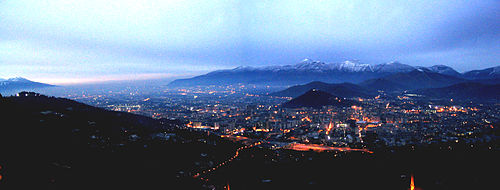
Nocera Inferiore is a historic town located in the Campania region of southern Italy, within the province of Salerno. Nestled at the foot of the Monti Lattari mountain range and lying a few kilometers from the Gulf of Salerno, Nocera Inferiore boasts a strategic position that has been significant since ancient times. The town is part of the larger metropolitan area of Salerno and is known for its rich history, which dates back to Roman times when it was called Nuceria Alfaterna. The archaeological remains from this period, including the ruins of an ancient amphitheater, offer a glimpse into its storied past. The town's name "Inferiore" translates to "Lower," distinguishing it from its neighboring town, Nocera Superiore, which lies on a higher elevation.
Nocera Inferiore features a blend of cultural and historical sites, including churches, palaces, and castles. The Cathedral of Santa Maria Maggiore, originally constructed in the 11th century, stands as a testament to the town's ecclesiastical significance. The townscape is characterized by narrow medieval streets, with striking architectural features that reflect various artistic styles over the centuries. Its economy primarily relies on agriculture, particularly the production of local fruits and vegetables, but has diversified in recent years to include various industries and services. The town also acts as an essential hub for the surrounding agricultural regions, facilitating trade and market activities.
Besides its historical and economic importance, Nocera Inferiore serves as a gateway to the scenic beauty of the Campania region, situated near attractions such as the Amalfi Coast and the ancient ruins of Pompeii. The town experiences a Mediterranean climate, with hot summers and mild, wet winters, making it an appealing destination for both locals and tourists. Its vibrant festivals, culinary traditions, and local craftsmanship enrich the cultural landscape, drawing visitors who wish to experience authentic Italian life away from the more tourist-heavy areas. Overall, Nocera Inferiore presents an intriguing blend of history, culture, and geographic beauty, making it a hidden gem in Italy’s vast array of enchanting destinations.
Facts about Nocera Inferiore
- Nocera Inferiore is known for its rich archaeological heritage, featuring ruins from ancient Roman and medieval periods, with notable finds including the well-preserved Villa of the Roman patrician Lucius Nonnius.
- The city is part of the historical region of Campania, and it sits at the foot of the Monti Lattari mountain range, providing stunning landscapes and access to outdoor activities.
- Nocera Inferiore hosts the annual Fiera di Nocera, a traditional fair that dates back several hundred years, showcasing local crafts, food, and culture.
- The city's Cathedral of Santa Maria Maggiore has origins dating back to the 11th century and is known for its beautiful Baroque architecture and an impressive wooden altar.
- Nocera Inferiore once played a key role in the production of quality ceramics and pottery, making it a center of artisan craftsmanship in the region.
- The city is the birthplace of the Italian painter and architect Giovanni Battista di Leggio, who contributed significantly to the Baroque style in Italy during the 17th century.
- Nocera Inferiore has a special connection to the San Prisco festival, celebrating the city’s patron saint with vibrant processions and cultural activities each January.
- The 'La Fenice' vineyard in Nocera Inferiore is famous for producing the local red wine, named 'Aglianico,' which is recognized for its unique flavor profile and rich history in the region's viticulture.
- Nocera Inferiore is located near the ancient city of Pompeii and is often viewed as a gateway for tourists heading to the archaeological sites of Pompeii and Herculaneum.
- The town is home to several charming medieval towers and fortifications, with the most prominent being the Torre di Capodimonte, which offers panoramic views of the surrounding landscape.