Nola, Italy
- 24,101 people
- 13 places to visit
- 40.928, 14.5302
Places to Visit (13)
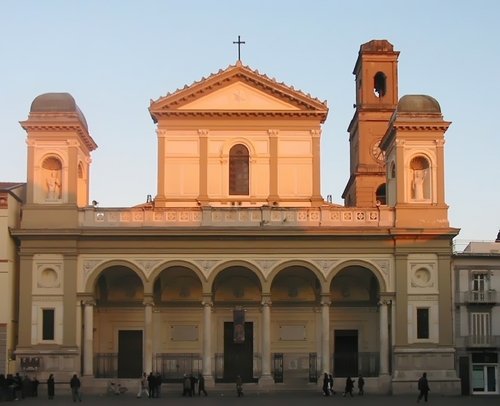
Nola is a historic city located in the Campania region of southern Italy, about 25 kilometers east of Naples. It is situated on the hills of the volcanic area known as the Campi Flegrei, providing a picturesque backdrop that combines ancient history with natural beauty. With a population of approximately 30,000 residents, Nola has a rich cultural heritage that dates back to Roman times. The city was originally established by the Oscans and later became a vital center for the Samnites and the Romans. It was known as Nola during the Roman Empire, serving as a crucial hub due to its strategic position along important trade routes and its fertile agricultural land.
Nola is especially renowned for its significant historical and architectural sites. Among its most notable landmarks is the Roman-era amphitheater, which could once hold up to 20,000 spectators. The city is also famous for its medieval cathedral, the Duomo di Nola, which showcases a blend of architectural styles that reflect its turbulent history throughout the centuries. Additionally, the annual feast of San Felice, the patron saint of Nola, attracts thousands of visitors each year. This event features vibrant processions, traditional music, and local gastronomy, embodying the city’s unique cultural identity.
Nola is not just a city steeped in history; it also boasts a vibrant economy with influences from agriculture, commerce, and crafts. The surrounding fertile plains support a thriving agricultural sector, producing high-quality wines and artisanal cheeses that have garnered recognition throughout Italy and beyond. As part of a region rich in traditions and folklore, Nola serves as a gateway to exploring both the historical legacy and the contemporary cultural landscape of Campania, making it an essential destination for travelers interested in Italy's multifaceted heritage.
Facts about Nola
- Nola is known as the birthplace of the ancient Roman philosopher and poet, Lucius Annaeus Seneca.
- The city is famous for its unique and vibrant 'Festa dei Gigli', a traditional festival featuring massive wooden towers that are paraded through the streets, which is recognized by UNESCO as an Intangible Cultural Heritage.
- Nola has a rich history of pottery and ceramics that dates back to the Roman era, particularly known for its 'Nola terracotta' that showcases intricate designs and craftsmanship.
- Nola is home to the Sancta Firmina Cathedral, a stunning example of medieval architecture that dates back to the 9th century, setting it apart from other church buildings in Italy.
- The town is situated near the ancient Roman city of Pompeii and has archaeological sites that reveal its significance during Roman times, which is less known compared to its more famous neighbor.
- Nola houses the ancient 'Cloister of Santa Chiara', an artistic marvel showcasing frescoes that depict significant local histories, distinguishing it from similar cloisters across Italy.
- Nola was an important center for the early Christian church, and its connection to early Christianity is evidenced by the numerous historical churches that dot the landscape.
- The city's historical significance is further highlighted by the 'Nola Inscription', a late Roman inscription that dates back to the 4th century, shedding light on the social and political structure of the time.
- Nola celebrates the 'Festa di San Paolino' in July, which is dedicated to its patron saint and features a series of religious and cultural events that are distinct to the region.
- Nola is not only known for its historical and cultural heritage but also for its wine production, particularly the 'Lacryma Christi del Vesuvio' wine, making it unique in Italy's viticulture landscape.