Nordhorn, Germany
- 52,803 people
- 9 places to visit
- 52.4407, 7.0649
Places to Visit (9)
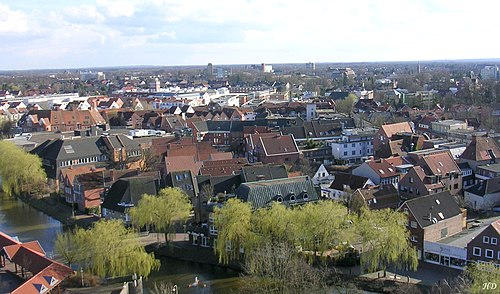
Nordhorn is a town in the district of Grafschaft Bentheim in Lower Saxony, Germany. It is situated near the Dutch border, approximately 14 kilometers west of the larger city of Osnabrück and about 10 kilometers east of the Dutch city of Hardenberg. With a population of around 55,000 residents, Nordhorn is known for its picturesque landscapes, characterized by rivers, lakes, and parks. The town’s location along the Vechte River makes it an attractive destination for those interested in outdoor activities such as cycling and walking, as the area features numerous scenic trails.
Historically, Nordhorn was founded as a small settlement in the early Middle Ages, but it gained significance in the textile industry during the 19th century, becoming a center for cotton and textile production. This industrial heritage is evident in the town’s architecture, which showcases a mix of traditional and modern designs. Today, Nordhorn is not only recognized for its industrial past but also for its vibrant cultural scene. The town hosts various events throughout the year, including the Nordhorn City Festival and the International Children's Film Festival, and boasts several museums, such as the StadtMuseum and the Grafschaft Bentheim Museum, which highlight its history and cultural identity.
In addition to its cultural offerings, Nordhorn is known for its green spaces, with numerous parks providing residents and visitors with recreational opportunities. The Park am Stadtsee is a popular spot for leisure activities, featuring walking paths, picnic areas, and a small lake. The town also emphasizes community engagement and sustainability, with local initiatives aimed at promoting eco-friendly practices. With its rich history, cultural vibrancy, and commitment to green living, Nordhorn presents a unique blend of tradition and modernity, making it a charming place to live and visit.
Facts about Nordhorn
- Nordhorn is known for its unique Dutch-inspired architecture, showcasing the influence of the town's proximity to the Netherlands.
- The city's history as a center for textile production dates back to the 19th century, making it an important industrial hub in Lower Saxony.
- Nordhorn is home to the largest urban park in the region, the 'Stadtpark Nordhorn,' which includes a picturesque lake and diverse recreational facilities.
- The city features a historical old town area, where visitors can explore beautifully preserved buildings, including the iconic 'Rathaus' (town hall).
- Nordhorn hosts the annual 'Nordhorner Wasserfest,' a water festival celebrating the city's connection to the Vechte River, which includes various water-themed activities.
- In the 1960s, Nordhorn became a key player in the 'Blue Zone' movement, which aimed to promote sustainable living and environmental awareness.
- The city's railway station, Nordhorn, is one of the few remaining in the region that showcases an innovative approach to regional transportation.
- Nordhorn is recognized for its vibrant arts scene, hosting various cultural events, including the 'Nordhorner Kunsttage,' which highlights local artists.
- The 'Vechte' river, which runs through Nordhorn, is popular for kayaking and canoeing, making the city attractive for outdoor enthusiasts.
- Nordhorn has a unique connection with the German town of Gronau, as both are part of the 'Euregio,' a cross-border region promoting cooperation between Germany and the Netherlands.