Norfolk VA, United States
- 246,393 people
- 14 places to visit
- 36.8508, -76.2859
Places to Visit (14)
Norfolk, Virginia, located in the southeastern part of the United States, is a vibrant city known for its rich maritime heritage, diverse culture, and strategic military significance. Situated at the mouth of the Chesapeake Bay and along the Elizabeth River, Norfolk is part of the Virginia Beach-Norfolk-Newport News Metropolitan Statistical Area, making it one of the largest cities in the state. The city has a population of approximately 245,000 residents and is characterized by a mix of urban and suburban environments, with a strong sense of community and a variety of cultural offerings. Norfolk's historical roots date back to its founding in 1682, and it played a prominent role during the American Revolutionary War and the Civil War. Today, it is known for its well-preserved historic architecture, with notable buildings like the MacArthur Memorial and the Chrysler Museum of Art.
One of Norfolk's most significant attributes is its status as a major naval base and the home of the U.S. Atlantic Fleet. The Norfolk Naval Station is the largest naval base in the world, which bolsters the local economy and provides numerous job opportunities for residents. In addition to its military presence, the city has developed a strong economy that includes sectors such as healthcare, shipping, education, and tourism. Norfolk State University and Old Dominion University are key educational institutions within the city, contributing to a skilled workforce and fostering research and development. Furthermore, the city boasts an array of recreational and entertainment options, including waterfront parks, a vibrant arts scene, and a variety of festivals celebrating the city's multicultural heritage. The annual Norfolk Waterfront Jazz Festival and Harborfest highlight the city's commitment to arts and community engagement.
Norfolk's extensive waterfront enhances its appeal, offering residents and visitors access to various activities on the water, including boating, fishing, and sailing. The city has made significant investments in its waterfront development, transforming areas into public spaces that promote leisure and tourism, such as the newly revitalized Waterside District. The presence of the Norfolk International Airport and an extensive network of highways facilitates travel and commerce. With its combination of historical significance, military presence, thriving economy, and cultural richness, Norfolk serves as a dynamic hub in the region, making it an essential part of Virginia's identity and a desirable place to live and visit.
Facts about Norfolk
- Norfolk is home to the largest naval base in the world, Naval Station Norfolk, which supports the United States Navy and is a significant contributor to the local economy.
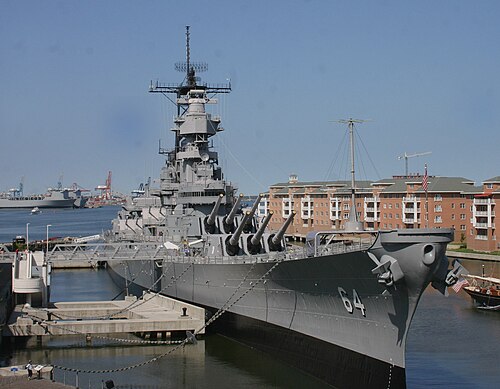
- The city features the USS Wisconsin, a retired battleship that is now a museum and a prominent landmark at the Nauticus maritime museum.
- Norfolk played a significant role in the Civil War, serving as a strategic point for both Union and Confederate forces, with notable battles taking place in the region.
- The Chrysler Museum of Art in Norfolk has one of the finest glass collections in the country and hosts an extensive array of American and European art pieces.
- Norfolk hosts the annual Harborfest, which is the largest, longest-running, free maritime festival in the country, celebrating the city's maritime heritage.
- The historic Ghent neighborhood is known for its early 20th-century architecture and vibrant cultural scene, contributing to Norfolk's unique urban character.
- Norfolk is home to Old Dominion University, which is recognized for its significant contributions to research and education within the region.
- The city has a rich African American history, exemplified by its Cultural Center for the Arts and the annual Juneteenth celebration.
- Norfolk's Norfolk Botanical Garden spans over 175 acres and is acclaimed for its extensive collection of plants and beautiful landscapes.
- The city has a strong performing arts scene, with venues like the Attucks Theatre, which was a historic site for African American performers during segregation.