Norwich, United Kingdom
- 143,135 people
- 15 places to visit
- 52.6292, 1.2979
Places to Visit (15)
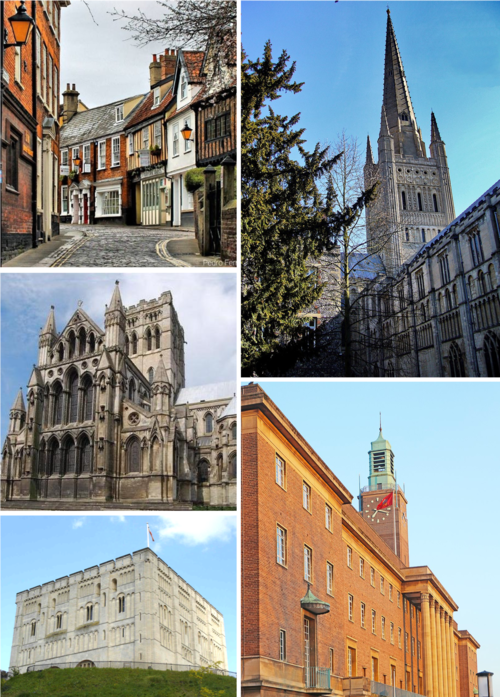
Norwich, located in the East of England, is a historic city with a rich cultural heritage and a vibrant community. It is the county town of Norfolk and is situated on the River Wensum. With a history that dates back over a thousand years, Norwich has been a significant center for trade, religion, and education. The city's most notable landmarks include the magnificent Norwich Cathedral, which was built in the 11th century and showcases stunning Romanesque architecture, and the imposing Norwich Castle, originally constructed as a royal palace and later transformed into a museum. The city boasts numerous medieval churches, charming narrow streets, and a well-preserved historic center that has earned it the designation of a “Heritage City.”
Norwich is known for its thriving arts and cultural scene, with numerous galleries, theaters, and music venues. The city hosts various festivals throughout the year, including the Norfolk & Norwich Festival, which celebrates a diverse array of performing arts. In addition to its cultural attractions, Norwich is recognized for its strong educational institutions, including the University of East Anglia, which is renowned for its research programs and offers a vibrant student life. The city is also home to several colleges and schools that contribute to the region’s educational landscape. The economy of Norwich is diverse, with a blend of traditional industries such as agriculture and modern sectors like technology and digital media. This combination, along with its picturesque surroundings and well-connected transport links, makes Norwich an attractive destination for residents and visitors alike.
Moreover, Norwich has been recognized as a UNESCO City of Literature, reflecting its deep literary roots and connections to notable figures such as Julian of Norwich and the modern writer Kazuo Ishiguro. The city supports a variety of independent shops, markets, and food venues, offering a taste of local delicacies and crafts. Its close-knit community fosters a welcoming atmosphere, with numerous parks and green spaces that provide ideal spots for recreation and relaxation. With its blend of historical significance, cultural vitality, and educational opportunities, Norwich represents a unique blend of tradition and modernity, making it a notable city in the United Kingdom.
Facts about Norwich
- Norwich was the first city in England to be granted a Royal Charter, which happened in 1194.
- The city is known for its medieval architecture, including the iconic Norwich Cathedral, which boasts the second tallest steeple in England.
- Norwich was a major center for the textile industry during the Medieval period, particularly famous for its wool trade.
- The city is home to the largest open-air market in England, operating since the 11th century.
- Norwich has more than 30 medieval churches, earning it the title of 'City of 100 Churches.'
- The city is known for its rich literary heritage, being the birthplace of famous authors such as Julian Barnes and Anna Sewell.
- Norwich is designated as a UNESCO City of Literature, recognizing its vibrant literary culture and history.
- The Norwich City Football Club, established in 1902, is the only club in England to have a canary as its emblem.
- Norwich played a crucial role during World War II as a significant target for German bombers due to its manufacturing industry.
- The Norwich Science Festival, held annually, showcases innovation and aims to inspire interest in science and technology among the local community.