Nova Zagora, Bulgaria
- 23,625 people
- 2 places to visit
- 42.4936, 26.0085
Places to Visit (2)
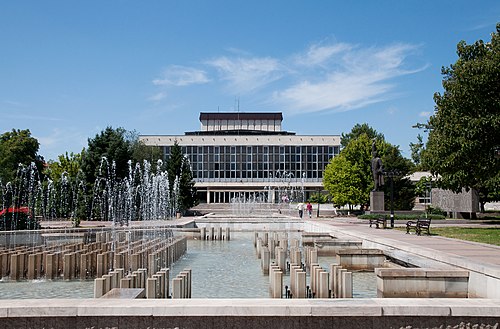
Nova Zagora is a small yet historically rich city located in southeastern Bulgaria, within the Sliven Province. Situated near the banks of the Nova Zagora River, the city lies approximately 30 kilometers southwest of the larger city of Sliven and about 200 kilometers from the capital, Sofia. With a population of around 18,000, Nova Zagora is characterized by its blend of cultural heritage, scenic landscapes, and proximity to vital transport links, including major road and railway connections that facilitate access to other parts of the country.
The history of Nova Zagora dates back to ancient times, with archaeological findings indicating that the area was inhabited as early as the Thracian and Roman periods. The city was officially established during the Ottoman Empire and has retained its historical significance through the centuries. Evidence of this rich past can be seen in the preserved architecture and local landmarks, including the notable Church of St. Nicholas, which dates back to the 19th century. Moreover, Nova Zagora is known for its local traditions and festivals that celebrate Bulgarian culture, particularly in music and dance, contributing to a vibrant community spirit.
Economically, Nova Zagora has transitioned over the years from an agricultural base to a more diversified economy that includes manufacturing and small businesses. The city is particularly renowned for its production of fruits, vegetables, and wine, benefiting from the fertile lands surrounding it. The local economy is bolstered by various industries, including textile manufacturing and food processing, contributing to the overall development of the region. Educational institutions and local initiatives also play a significant role in equipping the younger generation with skills necessary for modern employment. Through its unique combination of historical significance, economic opportunities, and cultural vibrancy, Nova Zagora continues to be an important yet often overlooked part of Bulgaria's rich tapestry.
Facts about Nova Zagora
- Nova Zagora is known for its rich history that dates back to ancient times, being founded around the 5th century BC and originally known as the Roman settlement of Sostra.
- The city is famous for its unique pottery and ceramics, particularly the traditional Nova Zagora pottery, which features distinct colorful designs and techniques passed down through generations.
- Nova Zagora is located near the historic town of Sliven, and it is part of the region known for its picturesque landscapes and proximity to the Sliven Mountain.
- The Nova Zagora municipality hosts several cultural festivals throughout the year, celebrating local music, dance, and crafts that highlight the city's cultural diversity.
- The city has a notable textile industry, especially in the production of quality carpets and fabrics, which is an important part of its local economy.
- Nova Zagora played a significant role during the Bulgarian National Revival in the 19th century, with several notable activists and educators hailing from the area.
- In the late 19th and early 20th centuries, the city experienced a period of economic growth due to its strategic location on trade routes, fostering the development of various industries.
- Nova Zagora is home to the unique archaeological site of the ancient Thracian settlement of Aheloy, which offers insights into the prehistoric cultures of Bulgaria.
- The city features a variety of architectural styles, blending modern structures with preserved historic buildings that reflect its evolution over centuries.
- Each year, Nova Zagora celebrates its local traditions with the 'Festival of Roses', highlighting the importance of the rose oil industry in Bulgaria.