Nukus, Uzbekistan
- 332,500 people
- 2 places to visit
- 42.4619, 59.6166
Places to Visit (2)
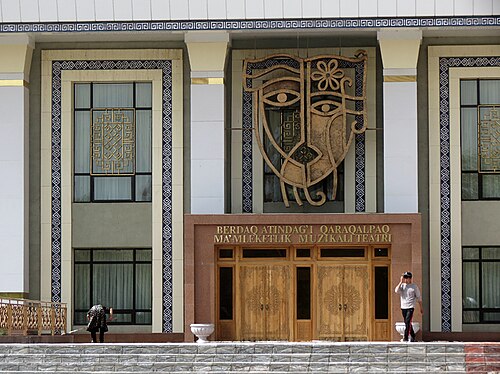
Nukus is the capital city of the Republic of Karakalpakstan in Uzbekistan, situated in the northwest part of the country. Located near the Aral Sea, Nukus serves as an important cultural and administrative center within a region characterized by its arid climate and unique historical background. The city's population is approximately 300,000 people, predominantly of Karakalpak, Uzbek, and Russian descent. Nukus is notable for its strategic position along historical trade routes, which has contributed to its diverse cultural influences. The city experiences extreme temperature variations, with hot summers and cold winters, typical of desert regions.
A significant cultural highlight of Nukus is the Savitsky Museum, also known as the Nukus Museum of Art, which houses an extensive collection of Russian avant-garde art and Karakalpak ethnographic artifacts. Founded by the renowned artist Igor Savitsky, the museum holds works by both Soviet and Central Asian artists, providing a unique insight into the art movements that shaped the region. The museum is a testament to Savitsky's efforts to preserve and promote local culture and heritage, particularly during times of political repression. Beyond the museum, Nukus boasts a range of educational institutions, theaters, and cultural events, making it a vibrant city despite its remote location. However, the environmental crisis surrounding the shrinking Aral Sea poses significant challenges for the local economy and livelihood, affecting agriculture and fishing communities in the area.
In addition to its cultural contributions, Nukus plays a key role in regional trade, particularly for goods traveling between Uzbekistan and neighboring countries. The city's infrastructure includes a railway station and a regional airport, facilitating trade and transport. The economy of Nukus primarily revolves around agriculture, with residents relying on crops such as cotton, wheat, and melons. While still developing, Nukus has made strides in improving its urban services and infrastructure to better support its inhabitants. As the city continues to evolve, it remains a significant point of interest due to its rich history, cultural significance, and the ongoing challenges it faces amid environmental changes.
Facts about Nukus
- Nukus is the capital of the Republic of Karakalpakstan, an autonomous region in Uzbekistan, known for its unique cultural identity and heritage.
- The city is home to the Nukus Museum of Art, which boasts one of the largest collections of Russian avant-garde art outside of Russia, featuring works by artists like Kazimir Malevich.
- Nukus has a diverse population, with a significant number of Karakalpaks, Uzbeks, and representatives of other ethnic groups, reflecting its rich cultural mosaic.
- The city is located near the Aral Sea, which has been historically significant but has dramatically shrunk since the 1960s due to Soviet irrigation projects, making it a center for ecological studies.
- Nukus hosts the annual International Art Biennale, attracting artists and visitors from around the world to celebrate contemporary art and its dialogue with Central Asian culture.
- The city is an important center for the preservation of Karakalpak culture, including traditional crafts, music, and oral poetry.
- Nukus is also known for the nearby ancient sites of Mizdahkan, which include the historical remains of Islamic architecture dating back to the 10th century.
- The local economy of Nukus is largely based on agriculture, particularly cotton, which is a significant crop in Uzbekistan, but it is also exploring tourism and cultural sectors.
- Nukus has a unique desert climate, characterized by hot summers and cold winters, which differs from many other regions in Uzbekistan, making its natural landscape distinct.
- The city’s location at the crossroads of major trade routes historically contributed to its growth and cultural exchange with neighboring countries.