Nuoro, Italy
- 35,948 people
- 9 places to visit
- 40.3201, 9.3239
Places to Visit (9)
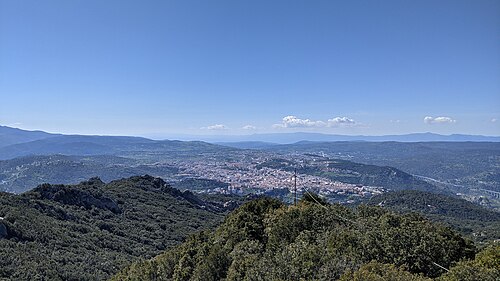
Nuoro is a picturesque city located in the central part of the Italian island of Sardinia. Renowned for its rich cultural heritage and stunning landscapes, it serves as the capital of the Nuoro Province. Positioned at an altitude of approximately 600 meters above sea level, the city offers impressive views of the surrounding mountains, particularly the Gennargentu range, which is the highest in Sardinia. Nuoro is often referred to as the "Cultural Capital of Sardinia," given its deep-rooted traditions in arts, crafts, and literature. The city is notable for being the birthplace of several influential Italian writers, including Grazia Deledda, who won the Nobel Prize in Literature in 1926.
The city's historical center is characterized by narrow winding streets, traditional Sardinian buildings, and charming piazzas. Among its key attractions are the Museo del Costume, which showcases the traditional costumes of the region, and the art gallery dedicated to the works of prominent Sardinian artists. Additionally, Nuoro is closely associated with local folklore, with festivals celebrating folk music and dance being common. The surrounding natural environment offers ample opportunities for outdoor activities, including hiking, mountain biking, and exploring the nearby Supramonte wilderness, renowned for its rugged beauty and impressive limestone formations.
Nuoro is also the gateway to several archaeological sites that reflect the island's ancient history, including the Nuragic civilization, known for its remarkable stone structures called nuraghi. The city’s economy is bolstered by agriculture, artisan crafts, and tourism, with visitors drawn to its cultural offerings and stunning landscapes. The blend of natural beauty and cultural richness makes Nuoro a unique and captivating destination within Sardinia, appealing to both domestic and international travelers seeking an authentic Sardinian experience.
Facts about Nuoro
- Nuoro is known as the 'cultural capital of Sardinia' and has a rich artistic heritage, including a strong tradition of literature and music.
- The city is home to the Museo del Costume, which showcases the traditional costumes of Sardinia, highlighting the island's unique cultural identity.
- Nuoro has profound connections to the famous Italian author Grazia Deledda, who won the Nobel Prize in Literature in 1926 and was born in the nearby town of Nuoro.
- The region surrounding Nuoro is known as Barbagia, famous for its rugged mountains and traditional pastoral lifestyle, which remains distinct from other parts of Italy.
- Every year, Nuoro hosts the 'Autunno in Barbagia' festival, which celebrates local culture, crafts, and gastronomy, attracting visitors from across Italy.
- The nearby Gennargentu National Park, a UNESCO Biosphere Reserve, offers breathtaking landscapes and diverse wildlife, distinct from urbanized areas of Italy.
- Nuoro is also the birthplace of several renowned artists, including the painter Antonio Ballero, emphasizing its role as an artistic hub.
- The city features the monumental 'Cattedrale di Santa Maria della Neve', a stunning example of neoclassical architecture unique to the region.
- Nuoro's historic center is characterized by narrow, winding streets, old stone buildings, and a blend of traditional and modern Italian lifestyle.
- The local dialect, Nuorese, and the traditions of the Sardinian people set Nuoro apart, offering a glimpse into the island's distinct culture and heritage.