Obock, Djibouti
- 15,429 people
- 2 places to visit
- 11.9647, 43.2884
Places to Visit (2)
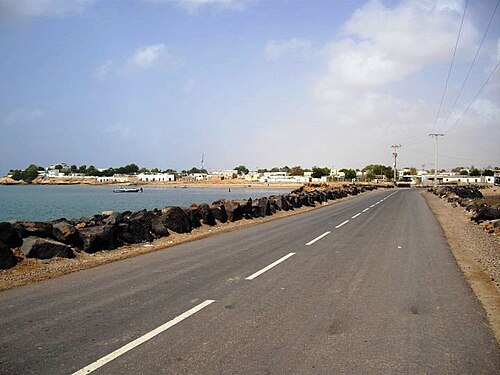
Obock is a coastal city located in the Obock Region of Djibouti, situated at the northeastern tip of the Horn of Africa. With a population of approximately 30,000 residents, it serves as a critical trading hub and a gateway for maritime activities in the region. The city lies on the Gulf of Tadjoura, opposite the capital city of Djibouti, making it strategically important for trade and transportation. Obock has historically been significant due to its natural harbor, which facilitated maritime commerce and served as a port for both the export of local products and the import of goods from international markets.
The economy of Obock is largely based on fishing, agriculture, and trade. The fertile land surrounding the city supports the growth of various crops, while the proximity to the Gulf allows for a robust fishing industry. Additionally, Obock has seen development in sectors like tourism, thanks to its scenic landscapes and proximity to the natural attractions of the region. The city is surrounded by beautiful beaches, limestone cliffs, and nearby islands, which draw visitors interested in snorkeling, diving, and exploring its rich marine biodiversity. Despite its economic potential, Obock faces challenges such as limited infrastructure and the need for sustainable development practices to address environmental concerns.
Culturally, Obock has a diverse population that reflects the traditions and influences of various ethnic groups, including the Afar and Somali people. This cultural diversity is evident in the local cuisine, festivals, and daily life of the residents. The city is also home to several historical sites, including remnants of colonial-era architecture, which highlight its long-standing significance in the region. As Djibouti continues to develop economically and strategically, Obock remains an essential part of the nation’s landscape, poised to play a vital role in shaping the future of trade and tourism in the Horn of Africa.
Facts about Obock
- Obock is located on the northeastern coast of Djibouti, making it an important port city with historical significance in maritime trade.
- The town is known for its beautiful beaches, including the popular Ras Eiro beach, which attracts tourists looking for relaxation and aquatic activities.
- Obock served as the administrative capital of the French territory of Obock in the 19th century, before Djibouti became the capital of the French Somaliland.
- The city is in proximity to the elusive and spectacular volcanic landscapes of the Goda Mountains, providing unique opportunities for hiking and exploration.
- Obock hosts an array of cultural events that reflect the rich heritage of the region, including traditional music festivals and local markets showcasing handicrafts.
- The ville of Obock is known for its diverse population and cultural blend, including Somali, Afar, and French influences, which sets it apart from other cities in Djibouti.
- Obock is the gateway to the island of Moussa Ali and several other smaller islands, known for their pristine marine environments and biodiversity.
- The town features a notable historic site, the Obock Lighthouse, which has guided sailors since the French colonial period.
- Obock is less densely populated compared to Djibouti city, offering a more laid-back atmosphere and a close-knit community feel overall.
- In recent years, Obock has been a focal point for development projects aiming to enhance its role as a trade and transportation hub in the Horn of Africa.