Ōbu, Japan
- 77,864 people
- 16 places to visit
- 35.0117, 136.9639
Places to Visit (16)
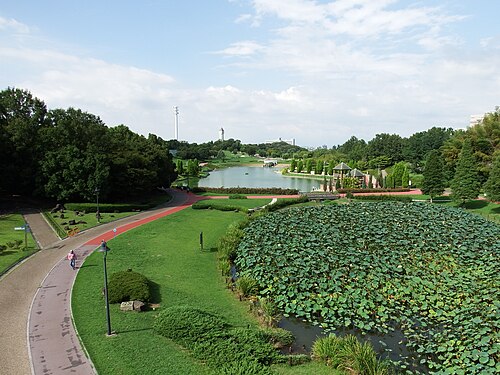
Ōbu is a city located in Aichi Prefecture, Japan, situated approximately 15 kilometers southeast of Nagoya. It covers an area of about 14.6 square kilometers and has a population of around 103,000 residents, as recorded in recent years. The city was officially established on July 1, 1950, by merging the towns of Ōbu and other neighboring districts. Ōbu is part of the Chūkyō metropolitan area, which is known for its robust economic development and urban infrastructure. The city's strategic location allows for convenient transportation links via the Tōkaidō Line and the Meitetsu Nagoya Main Line, making it easy for residents to commute to nearby urban centers.
Ōbu is characterized by both its industrial and residential landscape. The city has a strong manufacturing sector, with companies involved in various industries, including automotive parts, textiles, and electronics. This industrial base has contributed to the city’s economic vitality and job creation. In addition to its economic activities, Ōbu boasts several parks and recreational areas, which enhance the quality of life for residents. The city is home to several cultural and historical sites, including the Ōbu Shrine, which celebrates the region’s Shinto traditions. Community events, such as local festivals and sports competitions, reflect the city's vibrant community spirit. Education is also a priority, with numerous elementary and junior high schools providing education to the youth of Ōbu. Overall, the city combines modern urban living with rich cultural heritage, making it a unique place within Aichi Prefecture.
Facts about Ōbu
- Ōbu is known for its unique production of 'Obu Shimeji', a type of edible mushroom that is celebrated for its flavor and culinary versatility.
- The city has a rich history related to the textile industry, particularly known for its production of traditional Japanese clothing fabric during the Edo period.
- Ōbu is home to the Kōmyō-ji Temple, which dates back to the 13th century and is known for its beautiful garden that changes with the seasons.
- In 2003, Ōbu merged with neighboring towns and villages, including the city of Chiryū, which helped to enhance its cultural and economic footprint within Aichi Prefecture.
- The city hosts the annual Ōbu Cherry Blossom Festival, drawing visitors from across the region to enjoy the stunning blossoms and local culture.
- Ōbu has a notable sports history, particularly in baseball, producing players who have excelled in professional leagues in Japan.
- It was the first city in Aichi Prefecture to adopt a comprehensive plan for environmental sustainability and green space development.
- The city is well-known for its large-scale international events, including being a host for various cultural exchanges and sports competitions.
- Ōbu has a strong community focus, with numerous local festivals celebrating everything from traditional arts to seasonal harvests, enhancing its sense of local identity.
- The city features unique architectural sites, including modern buildings with a blend of traditional Japanese aesthetics, showcasing its commitment to cultural preservation.