Örebro, Sweden
- 155,989 people
- 14 places to visit
- 59.2753, 15.2134
Places to Visit (14)
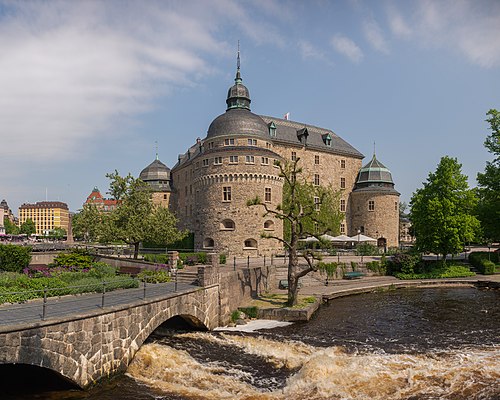
Örebro is a vibrant city located in central Sweden, approximately 200 kilometers west of Stockholm. It is the capital of Örebro County and serves as an important administrative and commercial hub. With a population of around 150,000, it ranks as one of Sweden's largest cities. Örebro is characterized by its rich history and attractive urban landscape, which seamlessly blends historical architecture with modern amenities. The city is famous for its picturesque castle, Örebro Castle, dating back to the 13th century. The castle has played a significant role in Sweden's history and now serves as a cultural venue, hosting various events throughout the year.
The city's economy is diverse, encompassing sectors such as trade, manufacturing, and education. Örebro is home to several multinational companies, and its strategic location makes it an ideal logistics center. The city also boasts a strong educational infrastructure, with Örebro University being a significant institution that attracts students from different parts of Sweden and abroad. The university offers a wide range of programs and is recognized for its research in various fields. Moreover, Örebro's cultural scene is vibrant, featuring museums, theaters, and music festivals that draw visitors and support local artists. The annual Örebro Jazz Festival and the culture-focused events like the Wicked Wine Festival and the Örebro Medieval Fair reflect the city’s commitment to fostering cultural expression and community engagement.
Plentiful parks and green spaces, such as the expansive Wadköping open-air museum, enhance the city's livability, providing opportunities for outdoor activities and relaxation. Örebro is also well-connected by rail and road, making it easy for residents and visitors to travel to other parts of Sweden. Overall, Örebro is a city that effectively balances history and modernity, offering a unique lifestyle that appeals to residents, students, and tourists alike. Its rich heritage and ongoing development make it a noteworthy destination in Sweden.
Facts about Örebro
- Örebro is known for its iconic Örebro Castle, a historical landmark dating back to the late 13th century, which has served various roles throughout Swedish history, including as a royal residence.
- The city is home to one of Sweden's largest public libraries, Örebro County Library, which houses an extensive collection and is a significant cultural hub in the region.
- Örebro is renowned for its annual music festival, 'Örebro Jazz Festival,' which attracts international artists and showcases a variety of jazz genres, making it a key event in Sweden's music calendar.
- The city features one of the most extensive network of bicycle paths in Sweden, making it a bike-friendly city that promotes sustainable transportation.
- Örebro's Wadköping open-air museum reflects traditional Swedish architecture and lifestyle, displaying preserved wooden buildings and offering cultural experiences unique to the region.
- The city has a vibrant student population due to the presence of Örebro University, which was established in 1977 and is known for its strong focus on research and innovation.
- Örebro is also known for its unique 'Råbylänken,' a bicycle bridge that connects different parts of the city, showcasing modern urban infrastructure and design.
- The city has a rich sports culture, particularly noted for its basketball team, Örebro SK, which competes at a high level in the Swedish league, distinguishing it from many other cities.
- Örebro hosted the Euro Hockey Tour events, including the 'Karjala Tournament,' reflecting its importance in the national winter sports scene.
- The city’s central location in Sweden makes it a key transportation hub, connecting various regions and facilitating trade and travel, which is uncommon for many smaller towns.