Ōgaki, Japan
- 161,539 people
- 16 places to visit
- 35.3593, 136.6134
Places to Visit (16)
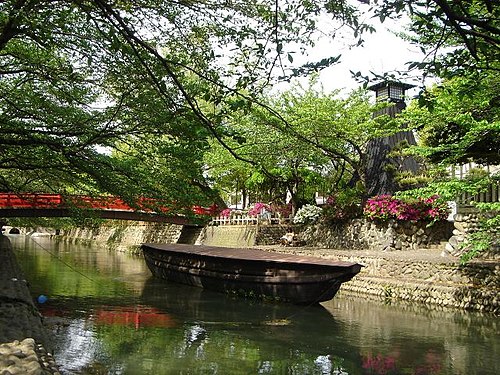
Ōgaki is a city located in Gifu Prefecture in the Chūbu region of Japan. Nestled within the picturesque landscape of the Nagara River basin, Ōgaki is bordered by the cities of Gifu and Kakamigahara to the north and Seto to the south. It has a population of approximately 150,000 residents and covers an area of around 127.2 square kilometers. The city is known for its rich history, which dates back to the Edo period, and is often referred to as the "City of Water" due to its numerous rivers and streams. Ōgaki's historical significance is highlighted by its role as a center of commerce and transportation during the feudal era, serving as a point of convergence for trade routes.
One of the city's notable landmarks is Ōgaki Castle, originally constructed in 1597 and reconstructed in the 20th century. The castle, surrounded by beautiful parkland, offers visitors a glimpse into the region's samurai history and features a museum that showcases artifacts from the time. Ōgaki also hosts a variety of cultural and annual festivals, such as the Ōgaki Fireworks Festival, which attracts thousands of spectators each summer. The city is famous for its agricultural products, particularly its strawberries and rice, benefiting from its fertile riverside plains. Additionally, the local cuisine includes specialties like "ōgaki yuba," a tofu skin delicacy that highlights the area's longstanding association with tofu production.
In recent years, Ōgaki has embraced modernization while maintaining its cultural heritage. The city boasts a well-developed infrastructure, including educational institutions, healthcare facilities, and public transportation options. The presence of several parks and recreational facilities emphasizes the city’s commitment to preserving green spaces for residents and visitors alike. Furthermore, Ōgaki is strategically located in relation to major urban centers, with easy access to Gifu, Nagoya, and other significant cities through rail and road networks. As a result, it is increasingly becoming an attractive location for both tourists seeking a tranquil retreat and residents looking to enjoy a blend of urban and rural lifestyles. Overall, Ōgaki exemplifies a harmonious balance of history, culture, and modern living in Japan.
Facts about Ōgaki
- Ōgaki is known as the 'City of Water,' largely due to its location along the Gifu River and the historic canals that once facilitated transportation and trade.
- The city is home to the Ōgaki Castle, a reconstructed castle from the Edo period, which serves as a historical landmark and cultural symbol.
- Ōgaki holds the annual Ōgaki Fireworks Festival, recognized as one of the largest fireworks displays in Gifu Prefecture, attracting thousands of visitors every summer.
- The city is famous for its production of 'Ōgaki Soba,' a buckwheat noodle that is celebrated for its unique texture and flavor.
- Ōgaki is geographically significant as it sits at the confluence of several rivers, making it a natural waterway hub in the region.
- The city was historically significant for the role it played during the Sengoku Period, particularly as a battleground involving prominent samurai clans.
- Ōgaki's Uminonakamichi Natural Park offers stunning views and diverse wildlife, providing a unique retreat for nature lovers within urban proximity.
- In 2005, Ōgaki became the first city in Japan to declare a 'City of Peace,' promoting initiatives for international peace and cooperation.
- The 'Ogre Festival' (Oni Matsuri) is a uniquely celebrated event in Ōgaki which highlights local culture and folklore through parades and traditional performances.
- Ōgaki is recognized for its innovative approach to education, incorporating community involvement and cultural heritage into school curricula.