Ojiya, Japan
- 34,704 people
- 10 places to visit
- 37.3143, 138.7951
Places to Visit (10)
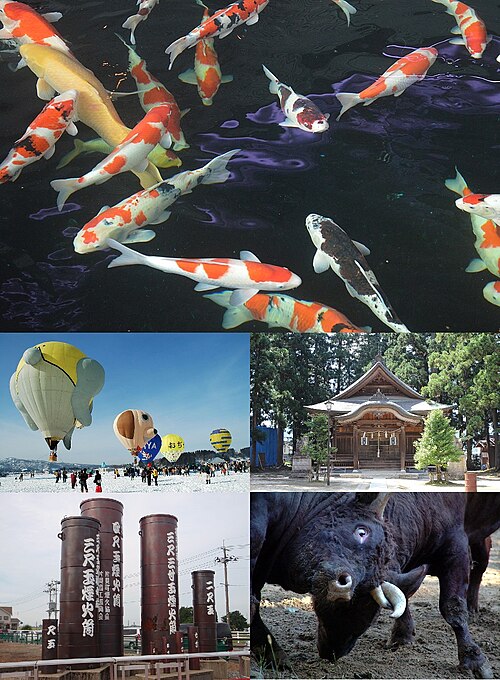
Ojiya is a city located in Niigata Prefecture, Japan, encompassing a blend of rich cultural heritage and natural beauty. Established as a city in 1954, it is situated in the Basin of the Uonuma River, bordered by the majestic mountains of the Chūetsu region. The city's geography is characterized by its lush landscapes, with rice fields, forests, and rivers that contribute to its picturesque environment. Ojiya enjoys a humid continental climate, with cold winters and warm summers, making it suitable for various agricultural activities. The area is particularly known for its high-quality rice, including the celebrated "Koshihikari," which is prized for its flavor and texture.
Ojiya is also renowned for its traditional craft, particularly the production of "Ojiya chijimi," a unique type of textile that is recognized for its durability and intricate patterns. The local artisans have perfected this craft over generations, and Ojiya chijimi is celebrated as a significant cultural asset. The city hosts various festivals throughout the year, including the Ojiya Fireworks Festival, which attracts thousands of visitors and showcases impressive pyrotechnic displays. The city's deep connection to nature is further emphasized by attractions such as the scenic Yamakoshi district, known for its beautiful terraced rice fields and the old Kiyotsu River gorge, a designated national scenic spot that features stunning rock formations and seasonal foliage.
Ojiya is also committed to preserving its history and culture, as reflected in its numerous museums and historical sites. The Ojiya Museum showcases local art and culture, while the Ojiya City Folk Museum offers insights into traditional lifestyles and local history. With a population of approximately 30,000 residents, the city maintains a close-knit community atmosphere, fostering a sense of belonging and pride among its inhabitants. Overall, Ojiya represents a harmonious blend of tradition, natural beauty, and modern living, making it a unique destination in Japan's rural landscape.
Facts about Ojiya
- Ojiya is renowned for its traditional 'Ojiya Chijimi' textiles, which are unique hand-woven fabrics made from silk, known for their distinctive crinkled texture.
- The city is home to the Ojiya Ukiyo-e Museum, which showcases a significant collection of Ukiyo-e woodblock prints, highlighting the art and culture of the Edo period.
- Ojiya celebrates the 'Ojiya Fireworks Festival' annually, featuring one of the largest firework displays in Niigata Prefecture, attracting thousands of visitors each summer.
- The area surrounding Ojiya is famous for its rice production, especially the high-quality Koshihikari rice, which is celebrated for its flavor and is a major agricultural product for the region.
- Ojiya is often recognized for its beautiful rivers, particularly the Seki River, which plays a crucial role in the city's history and as a natural resource for the local economy.
- The city is known for the 'Ojiya Sake' produced by local breweries, leveraging the pure water sourced from the nearby mountains, which contributes to the unique flavor of the sake.
- Ojiya has a history of manufacturing 'Tatara' or traditional Japanese iron, which began in the Edo period and continues to influence the region's craftsmanship.
- The city hosts the annual 'Ojiya Take no Ko Matsuri', a bamboo festival that celebrates local culture with bamboo crafts, food, and performances.
- Ojiya was significantly affected by the 1964 Niigata Earthquake, leading to a unique resilience and development of disaster preparedness programs not commonly found in other regions.
- The city is located in a scenic valley, surrounded by mountains, providing abundant opportunities for outdoor activities such as hiking, hot springs, and winter sports.