Okaya, Japan
- 54,286 people
- 16 places to visit
- 36.067, 138.0494
Places to Visit (16)
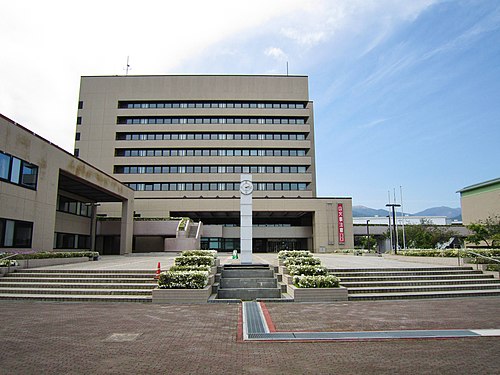
Okaya is a city located in Nagano Prefecture, Japan, situated in the central part of the country. Nestled between the picturesque mountains and serene lakes, Okaya occupies a strategic position on the foothills of the Japanese Alps, approximately 230 kilometers west of Tokyo. The city, which was officially designated as a city in 1954, has a population of around 38,000 residents. Its geographical setting, combined with a temperate climate characterized by distinct four seasons, makes it a desirable area for agriculture, particularly for the cultivation of high-quality fruits and rice. The region's fertile land, alongside its robust agricultural practices, contributes significantly to the local economy.
One of the notable aspects of Okaya is its rich cultural heritage and history. The city's development traces back to ancient times, where it was a hub for trade and interaction among different regions. Okaya is also known for its production of textiles and toys, particularly the traditional Japanese "Kokeshi" dolls, which are hand-crafted wooden figures symbolizing the region's craftsmanship. The annual Okaya Festival, held in early May, celebrates the local culture, featuring parades, traditional music, and dance performances, showcasing the vibrant community spirit. Additionally, the city has numerous historical sites, including temples and shrines that reflect the architectural styles of various periods in Japanese history.
Tourism in Okaya benefits from its scenic beauty and proximity to several natural attractions. The nearby Suwa Lake, famous for its water sports and leisure activities, offers stunning views, especially during the cherry blossom season. Additionally, Okaya serves as a gateway to the renowned Kamikochi area within the Chubu Sangaku National Park, which is celebrated for its breathtaking landscapes, hiking trails, and opportunities for outdoor enthusiasts. Overall, Okaya is a city that merges tradition with nature, providing a glimpse into Japan's cultural richness while embracing its beautiful surroundings.
Facts about Okaya
- Okaya is known for its unique textile industry, specifically as a major producer of high-quality woolen fabrics, which significantly contributed to the region's economy.
- The city hosts the Okaya City Museum, which showcases the history and culture of the area, including exhibitions on the local textile industry and traditional crafts.
- Okaya is home to the ancient Jizo-ji Temple, which dates back to the 8th century and is known for its impressive statue of Kannon, the goddess of mercy.
- The city is famous for the Okaya Mountain Cherry Blossom Festival, attracting visitors from all over Japan to view the stunning cherry blossoms along the slopes of the surrounding mountains.
- Okaya was historically an important post town during the Edo period, serving travelers on the Nakasendo route, which connected Kyoto and Edo (modern-day Tokyo).
- Okaya is nestled near Lake Suwa, one of the largest lakes in the Nagano Prefecture, offering various recreational activities and scenic views.
- The city embraces its historical significance with various preserved Edo-period buildings, giving visitors a glimpse into Japan's past.
- Okaya is distinct for its thriving agricultural production, particularly known for producing high-quality rice and vegetables, benefiting from the region's fertile land.
- The city is part of the Suwa region, which is traditionally recognized for its craft beer culture, with several local breweries that offer unique brews using local ingredients.
- Okaya also hosts the annual Okaya Fireworks Festival, which is one of the largest in the region, featuring spectacular displays that draw large crowds each summer.