Okene, Nigeria
- 479,178 people
- 4 places to visit
- 7.5614, 6.2429
Places to Visit (4)
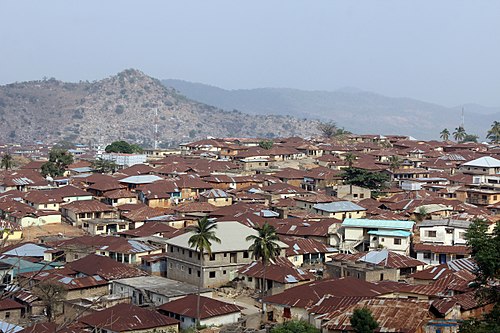
Okene is a town located in Kogi State, Nigeria, known for its rich cultural heritage and historical significance. It serves as the administrative headquarters of the Okene Local Government Area and sits at a strategic crossroads connecting several major towns in the region, including Lokoja and Abuja. Despite being one of the smaller towns in Kogi State, Okene plays a vital role in trade and commerce due to its location along important road networks. The town is predominantly inhabited by the Ebira people, who contribute to its vibrant culture characterized by unique customs, traditions, and festivals.
The economy of Okene is primarily driven by agriculture, trade, and services. The region's fertile lands support the cultivation of various crops, including cassava, maize, yams, and rice, contributing to food security in the area. Additionally, Okene is known for its rich mineral resources, particularly limestone, which has attracted businesses involved in cement production. The presence of small and medium enterprises reflects the town's growing economic landscape, bolstered by a youthful population eager to embrace entrepreneurship.
Culturally, Okene is famous for its masquerade festivals, traditional music, and dance, which highlight the community's values and historical narratives. Community events often see the participation of locals and visitors, enhancing social cohesion and economic activity through tourism. Although Okene faces challenges associated with urbanization, including infrastructure development and access to basic services, the local government and various stakeholders strive to improve living conditions and promote sustainable development. Overall, Okene remains a significant town in Nigeria's cultural and economic fabric, blending tradition with modern advancements.
Facts about Okene
- Okene is known as the headquarters of the Ebira people, a distinct ethnic group in Nigeria with unique cultural practices and traditions.
- The city is strategically located in Kogi State, serving as a major commercial center for the northern and southern regions of Nigeria.
- Okene is famous for its rich history in traditional weaving, particularly for the production of colorful 'Akwete' cloth, showcasing the craftsmanship of the local artisans.
- The Okene Central Mosque is a significant landmark known for its architectural beauty and serves as a center for Islamic worship and community gatherings.
- The city hosts the annual Ebiraland Cultural Festival, a celebration of the Ebira culture featuring traditional music, dance, and cuisine, attracting visitors from across the country.
- Okene is home to the Earthworks of Idah, ancient earth mounds that are considered significant archaeological sites, providing insights into the region's history.
- The city's economy is bolstered by agriculture, with cassava and yam as major crops, differentiating it from many urban centers reliant primarily on commerce and industry.
- Okene has a unique landscape featuring rolling hills and significant vegetation, setting it apart from the flatter terrains of other parts of Nigeria.
- The city is known for its hospitality, where local customs emphasize the importance of welcoming visitors, reflected in the phrase 'karamoh' meaning 'welcome' in Ebira language.
- Okene is often referred to as the 'Gateway to the North' due to its location along vital trade routes connecting the northern and southern parts of Nigeria.