Oleśnica, Poland
- 36,956 people
- 11 places to visit
- 51.2134, 17.3899
Places to Visit (11)
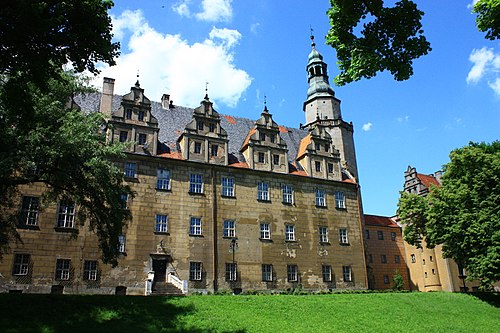
Oleśnica is a picturesque town located in southwestern Poland, nestled in the Lower Silesian Voivodeship. With a population of approximately 35,000 inhabitants, it serves as the administrative center of Oleśnica County. The town's history dates back over a thousand years, with its first documented mention occurring in 1235. Oleśnica has a rich historical heritage influenced by various rulers, including the Piasts, the Silesian dukes, and later, Prussian and German authorities. This diverse lineage is reflected in the architecture and urban layout of the town, which boasts a mix of Gothic, Renaissance, and Baroque styles.
One of Oleśnica's most notable landmarks is the 16th-century Oleśnica Castle, originally built as a defensive structure and later transformed into a residence for the dukes of Oleśnica. The castle features stunning Renaissance architecture and is surrounded by a scenic park, making it a popular destination for tourists and locals alike. The town also has several historical churches, including the Gothic St. John the Baptist Church, which showcases remarkable frescoes and intricate woodwork. Oleśnica is known for its vibrant cultural life, with numerous events, festivals, and markets throughout the year that celebrate both local traditions and contemporary arts. The town is also surrounded by beautiful natural landscapes, including forests and rivers, which contribute to its charm and appeal as a destination for outdoor recreation.
In recent years, Oleśnica has evolved into an important economic hub within the region, drawing investment and fostering a diverse business environment. The town is well-connected by road and rail, enabling convenient access to the larger city of Wrocław, which is only about 30 kilometers away. This strategic location has facilitated the development of various industries, including manufacturing and services. Education plays a significant role in Oleśnica's community, with schools and vocational institutions providing training and development opportunities for the local population. Overall, Oleśnica embodies a unique blend of history, culture, and modernity, making it a noteworthy location in Poland's vibrant landscape.
Facts about Oleśnica
- Oleśnica is known for its well-preserved medieval architecture, notably the 14th-century Oleśnica Castle, which features a unique blend of Gothic and Renaissance styles.
- The city has a rich heritage tied to the Piast dynasty and was once a significant center of power in the Lower Silesia region during the Middle Ages.
- Oleśnica is home to the oldest wooden church in the region, St. John the Baptist Church, dating back to the 15th century, which showcases exquisite timber framing techniques.
- The city hosts an annual 'Puppet Theatre Festival', celebrating the art of puppetry and drawing performers from across Poland and beyond.
- Oleśnica has a vibrant Jewish history, which is highlighted by the remnants of the historic Jewish cemetery that dates back to the 18th century.
- The Oleśnica city park, located near the castle, is famous for its picturesque walking paths, ancient trees, and a beautiful pond that attracts many locals and tourists.
- In the 19th century, Oleśnica became an important center for the textile industry and was known for producing high-quality linen and cotton goods.
- The city's location on the banks of the Oleśnica River made it an important trade route in the past, contributing to its economic development and strategic importance.
- Oleśnica's population hosts a unique blend of cultures and traditions due to its historical transitions between Polish, Czech, and German influences.
- The city features several notable educational institutions, including the Oleśnica Vocational School, which specializes in technical fields and contributes to local workforce development.