Olhão, Portugal
- 29,239 people
- 11 places to visit
- 37.026, -7.8424
Places to Visit (11)
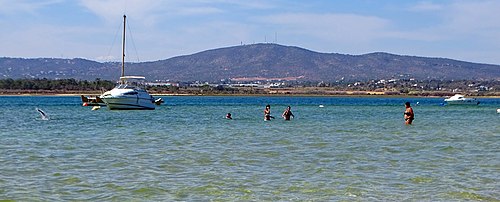
Olhão is a picturesque city located in the Algarve region of southern Portugal, renowned for its rich maritime heritage and stunning coastal scenery. As part of the municipality of Olhão, which includes several surrounding villages and areas, the city is situated on the eastern side of the Ria Formosa Natural Park, a protected lagoon recognized for its diverse ecosystems and significant biodiversity. Olhão has a population of approximately 30,000 residents and is known for its traditional architecture, characterized by whitewashed buildings and distinctive chimneys, a reflection of its Moorish influences. The city possesses a vibrant atmosphere, particularly evident in its bustling markets and lively waterfront, where local fishermen bring in fresh catches and vendors sell a variety of seafood and regional produce.
Historically, Olhão developed as a fishing port, and its economy has been closely linked to the sea for centuries. The city's location along the Algarve coast has made it a notable spot for both commercial and recreational fishing, and it continues to thrive as a hub for the fishing industry. Over the years, tourism has also become increasingly significant, attracting visitors with its beautiful beaches, such as Praia da Armona and Praia da Culatra, which are easily accessed by boat. Visitors can explore the enchanting streets of the old town, sample local cuisine at charming restaurants, and take part in various water sports and outdoor activities. Furthermore, Olhão serves as a gateway to the surrounding islands of the Ria Formosa, which are popular for hiking, birdwatching, and enjoying the pristine natural landscape, making it an appealing destination for nature lovers and adventure seekers alike. The blend of natural beauty, cultural heritage, and strong communal spirit continues to make Olhão a unique and inviting place in Portugal's Algarve region.
Facts about Olhão
- Olhão is known for its unique cubist-style architecture, which sets it apart from the more traditionally styled towns in the Algarve region.
- The town is famous for its vibrant fish market, Mercado Municipal de Olhão, considered one of the best in Portugal, highlighting its fishing heritage.
- Olhão is surrounded by the Ria Formosa Natural Park, a protected wetland area that is a significant ecosystem for various bird species and unique flora.
- Unlike many coastal towns in the Algarve, Olhão maintains a working fishing port, giving it a more authentic maritime atmosphere.
- The town hosts the annual Festa de Nossa Senhora da Ria Formosa, a local festival featuring a procession and celebrations at the waterfront, distinguishing its cultural events.
- Olhão is one of the few towns in the region with a significant number of traditional 'palacetes' (mansions) built during the 19th century for wealthy merchants.
- The town is known for its close-knit community and local artisans, offering a more intimate experience compared to the larger tourist-centric cities.
- Olhão has a distinct culinary heritage, with a focus on seafood dishes that reflect its history as a fishing town, including specialties like octopus and cuttlefish stew.
- The city has a rich Moorish influence in its history, evident in its narrow streets and whitewashed buildings, contributing to its distinct architectural charm.
- Olhão is often considered a gateway to the islands of Armona and Culatra, providing easy access to pristine beaches and a unique island lifestyle.