Olinda, Brazil
- 366,754 people
- 11 places to visit
- -7.992, -34.8422
Places to Visit (11)
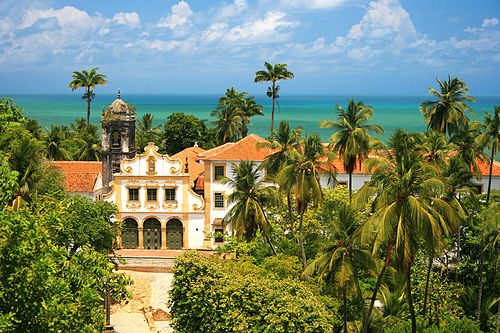
Olinda is a historic city located in the northeastern part of Brazil, in the state of Pernambuco. Known for its vibrant colonial architecture and rich cultural heritage, Olinda was founded in 1535 by the Portuguese and has been designated a UNESCO World Heritage Site since 1982. The city is renowned for its picturesque streets, adorned with colorful houses, churches, and vibrant murals. Its most notable structures include the Church of the Convent of San Francisco, the Church of Our Lady of the Snows, and the beautiful monuments scattered throughout the area that reflect the city’s Baroque style. With its hilly terrain overlooking the Atlantic Ocean, Olinda offers stunning views and a unique urban landscape that attracts both tourists and locals.
In addition to its architectural significance, Olinda is famous for its cultural festivities, particularly its Carnival celebration, which is one of the largest in Brazil. The event features lively parades, traditional music, and dance, with an emphasis on frevo, a unique dance genre that originated in Pernambuco. The city also hosts the Olinda Carnival, where massive puppets known as "bonecos" are paraded through the streets. The local arts scene flourishes in Olinda, with numerous galleries and workshops showcasing the work of local artisans and artists, particularly in crafts, painting, and sculpture. The city's charm lies in its ability to blend rich history with contemporary culture, making it a sought-after destination for visitors looking to experience Brazil's diverse heritage. With its enchanting ambiance, vibrant community life, and historical significance, Olinda remains a remarkable testament to Brazil's colonial past and cultural richness.
Facts about Olinda
- Olinda is a UNESCO World Heritage site, recognized for its well-preserved colonial architecture and historical significance.
- The city's historic center features over 20 churches dating back to the 16th and 17th centuries, showcasing various architectural styles.
- Olinda is famous for its vibrant Carnival celebrations, which are distinct for their cultural richness and use of giant puppets known as 'Bonecos'.
- The first capital of the State of Pernambuco, Olinda played a crucial role in Brazil's colonial history and the sugarcane industry.
- The city is renowned for its steep hills, which provide stunning panoramic views of the coastline and Recife, the nearby capital of Pernambuco.
- Olinda hosts the 'Festival de Inverno', a Winter Festival that celebrates local music, art, and culture, attracting visitors from all over Brazil.
- The local art scene is vibrant, with many artists producing traditional crafts and contemporary works inspired by the city's culture and history.
- Every year, Olinda holds the 'Festa da Nossa Senhora do Amparo', a religious festival that draws thousands of pilgrims and tourists.
- The city features a unique form of Baroque architecture, often noted for its intricate woodwork and decoration, setting it apart from other regions in Brazil.
- Olinda has a strong tradition of artisan crafts, notably in ceramics and embroidery, reflecting the local culture and heritage.