Oliva, Spain
- 28,419 people
- 8 places to visit
- 38.9198, -0.1188
Places to Visit (8)
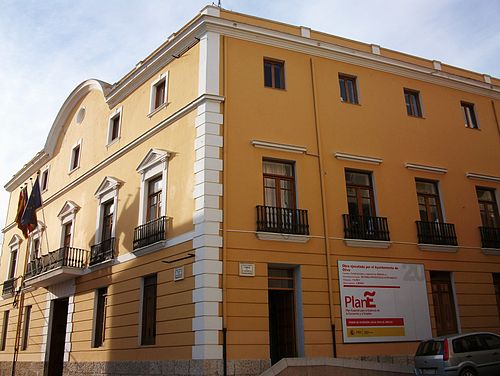
Oliva is a charming coastal city located in the province of Valencia, Spain. Nestled in the picturesque region of the Costa Blanca, Oliva is known for its stunning beaches, rolling hills, and rich agricultural heritage. The city, with a population of approximately 32,000 residents, is situated about 10 kilometers south of Denia and around 60 kilometers northeast of Valencia. Its Mediterranean climate, characterized by hot, dry summers and mild winters, makes it a popular destination for both tourists and expatriates, particularly from Northern Europe.
Historically, Oliva has roots that date back to ancient Roman times, and its name is derived from the Latin word "oliva," meaning "olive." The region has long been associated with agriculture, particularly the cultivation of olives, which has shaped its economy and cultural identity. Today, Oliva is recognized not only for its agricultural produce but also for its thriving tourism sector, which draws visitors to its scenic beaches, including Playa de Oliva and Playa de Pau Pi. The city boasts a variety of recreational activities, offering water sports, golf courses, and hiking opportunities in the nearby natural parks. The local gastronomy is another highlight, featuring traditional Valencian dishes such as paella, which showcase the region's rich flavors and fresh ingredients.
In addition to its natural beauty, Oliva is home to historical landmarks, such as the 18th-century Church of Santa María la Mayor, which features an impressive baroque façade. The town's old quarter is lined with narrow streets and traditional Spanish architecture, inviting visitors to explore its vibrant culture and history. Annual festivals, such as the Moors and Christians Festival and the Easter celebrations, reflect the city's deep-rooted traditions and communal spirit. As Oliva continues to grow as a tourist destination, it maintains a balance between modernity and its historical charm, making it an appealing location for those seeking a blend of relaxation, culture, and outdoor adventure.
Facts about Oliva
- Oliva, located in the Valencia region, is known for its stunning beaches, particularly Playa de Oliva, which spans several kilometers and features fine golden sand.
- The city has a rich historical heritage, with remnants of a Moorish castle and the historic church of Santa María La Mayor, reflecting the area's diverse cultural influences.
- Oliva celebrates its own unique festival, 'Fallas de Oliva,' which takes place in March, showcasing elaborate papier-mâché sculptures and a spectacular fireworks display, distinct from other Fallas celebrations in Valencia.
- The town features a charming old quarter filled with narrow streets and traditional whitewashed houses, differentiating it from larger urban areas.
- Oliva is surrounded by the stunning La Safor mountain range, offering significant opportunities for outdoor activities such as hiking and mountain biking, setting it apart from flatter coastal towns.
- The Gastronomy of Oliva is notable for its traditional Spanish dishes, especially those featuring local rice varieties, which contribute to its reputation in the culinary scene of Valencia.
- Oliva is home to the annual 'Oliva Jazz Festival,' attracting local and international musicians, making it a unique destination for jazz lovers in Spain.
- The local agricultural tradition includes the cultivation of the 'Naranja de Oliva,' a unique variety of orange that thrives in the region's climate, highlighting Oliva's agricultural diversity.
- Oliva has a vibrant art scene, with numerous galleries and workshops showcasing local artists, which adds to its cultural richness compared to many other towns.
- The city has a strong sense of community, exemplified by its numerous local associations that promote cultural activities and events, fostering a welcoming atmosphere for residents and tourists alike.