Olongapo, Philippines
- 221,178 people
- 13 places to visit
- 14.8386, 120.2842
Places to Visit (13)
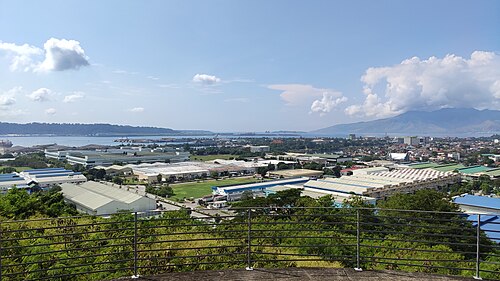
Olongapo is a vibrant city located in the province of Zambales, Philippines, on the western side of Luzon island. It lies along the shores of Subic Bay and is approximately 80 kilometers northwest of Manila. Historically, Olongapo gained prominence due to the establishment of the U.S. Naval Base Subic Bay, which played a significant role in the city’s economic and social development. The base was operational from World War II until it was closed in 1992, after which the area transitioned into a freeport zone, attracting businesses and boosting local tourism. The city's economy today thrives on a mix of commerce, tourism, and manufacturing, enhanced by its strategic location near the bustling Subic Bay Freeport Zone.
Olongapo is known for its vibrant culture, rich history, and diverse population. The city offers a variety of attractions, including recreational areas, historical sites, and beaches, making it a desirable destination for both local and international tourists. Notable nearby locations include the beautiful white sand beaches of Zambales and various water sports activities in Subic Bay. Olongapo is also home to annual events and festivals that showcase the local culture, such as the Olongapo City Fiesta, which features parades, street dancing, and food fairs. The city’s infrastructure has seen considerable improvement over the years, with better roads and facilities enhancing the quality of life for residents. As Olongapo continues to grow, it remains an integral part of the region's socio-economic landscape, marked by a dynamic blend of tradition and modernization.
Facts about Olongapo
- Olongapo is known for its rich history as a naval base city, having been home to the Subic Bay Naval Base, which was one of the largest U.S. naval bases in the world until its closure in 1992.
- The city's name is derived from the Tagalog word 'olong,' meaning 'to recede' and 'pulo,' meaning 'island,' relating to its geographical history as it was once an island before land reclamation activities.
- Olongapo was the first city in the Philippines to be governed through a city charter, officially becoming a city on January 1, 1991.
- The city hosts the annual Olongapo City Festival, also known as the 'Olongapo City Fiesta,' which showcases local culture and traditions, attracting visitors from various regions.
- Being close to Subic Bay, Olongapo has transformed into a bustling commercial hub and a popular tourist destination, known for activities such as water sports, scuba diving, and nightlife.
- The Olongapo City Convention Center serves as a significant venue for international events and has hosted various conferences and expos since its inauguration.
- Olongapo's economic development is heavily influenced by the Subic Bay Freeport Zone, which has attracted both local and foreign investments, contributing to the city's growth.
- The city has notable landmarks like the Olongapo City Museum, which displays artifacts and records that reflect its rich historical background and the impact of American presence in the region.
- Olongapo is also recognized for its unique urban planning, having a well-organized street system and public transport options, which distinguishes it from many other cities in the Philippines.
- The city has a vibrant multicultural community, with a mix of various ethnic groups and a significant number of expatriates, mainly due to its historical ties with the United States.