Ōmagari, Japan
- 38,805 people
- 7 places to visit
- 39.4353, 140.4955
Places to Visit (7)
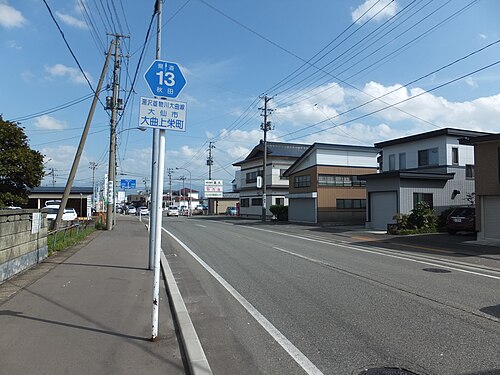
Ōmagari is a city located in Akita Prefecture, situated on the northern coast of Honshu, Japan. As of the latest census, the population of Ōmagari is approximately 40,000 residents. The city is known for its rich agricultural heritage, particularly in rice production, benefitting from the fertile lands of the Akita region. The climate in Ōmagari is characterized by cold winters and warm summers, which influences local agriculture, especially the cultivation of quality rice varieties such as Akita Komachi. In addition to its agricultural significance, the city is renowned for its traditional crafts, including the production of the beautiful Akita lacquerware and the local textiles that showcase intricate designs.
Ōmagari also holds historical importance, having previously been a key location during the Edo Period as a post town along the famous Oshu Highway. The city's landscape combines modern urban development with traditional Japanese aesthetics. Significant cultural events, such as the Ōmagari Fireworks Festival, attract thousands of visitors each year, showcasing elaborate firework displays and traditional performances, which further highlight the city’s vibrant community spirit. Additionally, Ōmagari is home to several shrines and temples that reflect the region's cultural and spiritual history. The local cuisine emphasizes seasonal ingredients, with many dishes featuring freshwater fish from nearby lakes and rivers, as well as locally grown vegetables and rice. The combination of cultural heritage, agricultural abundance, and community events makes Ōmagari a unique city in Japan, blending tradition with modernity.
Facts about Ōmagari
- Ōmagari is known for the annual Ōmagari Fireworks Festival, one of the largest and most famous fireworks displays in Japan, attracting thousands of visitors each year.
- The city is home to the famous Ōmagari Hanabi Museum, which showcases the history, techniques, and artistry of Japanese fireworks.
- Ōmagari is located in Akita Prefecture and serves as a cultural hub in the region, blending traditional Akita culture with modern influences.
- The city played a significant role during the Edo period as a post town on the Nikko Kaido road, which was one of the main routes connecting the capital with northern Japan.
- Ōmagari is renowned for its agriculture, particularly in the production of quality rice, which benefits from the local climate and fertile soil.
- The city hosts the Akita Kanto Matsuri, a traditional festival featuring impressive displays of lanterns mounted on tall poles, celebrated annually in early August.
- Ōmagari's historical significance is reflected in its several well-preserved traditional buildings, which offer a glimpse into the architectural styles of bygone eras.
- The city is near Lake Tazawa, the deepest lake in Japan, which is a popular destination for local tourism and outdoor activities.
- Ōmagari's transportation infrastructure includes its own railway station, allowing easy access to surrounding areas, including Akita City.
- The city is also recognized for its local craft industries, including traditional handicrafts such as Akita woodwork and textiles.