Ōme, Japan
- 131,895 people
- 13 places to visit
- 35.788, 139.2758
Places to Visit (13)
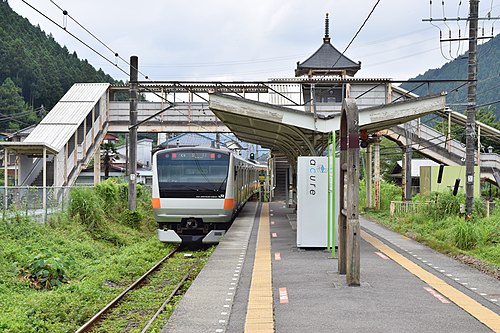
Ōme is a city located in the western part of Tokyo Metropolis, Japan, characterized by its rich history and natural beauty. Established as a city in 1955, Ōme is situated in the Nishitama district and surrounded by the scenic mountains of the Okutama region, providing a picturesque landscape that draws both residents and visitors alike. The city is known for its lush greenery, rivers, and parks, making it a popular destination for outdoor activities such as hiking and cycling. The Amanuma River runs through the city, offering recreational options and picturesque settings along its banks.
Historically, Ōme has its roots in ancient times, with evidence of human habitation dating back thousands of years. The city was originally an important post town along the Koshu Highway, which connected Edo (modern-day Tokyo) with the Yamanashi region. This historical significance is reflected in several temples and shrines scattered throughout the area, such as the Kongo-ji Temple, which is known for its stunning architecture and serene surroundings. Ōme is also famed for its plum blossoms, and the city hosts the annual Ōme Plum Blossom Festival, attracting numerous visitors during the blooming season. The local economy benefits from agriculture, particularly the cultivation of plums, and the city’s rich cultural heritage is celebrated through various festivals and events.
In addition to its historical and natural attractions, Ōme has modern amenities that enhance the quality of life for its residents. The city boasts a mix of urban and rural environments, featuring shopping centers, restaurants, and educational facilities, all while maintaining a sense of community. Public transportation connects Ōme to central Tokyo, making it a viable option for commuters who seek a quieter lifestyle away from the hustle and bustle of the metropolis. As a result, Ōme continues to attract a diverse population, blending tradition with contemporary living, and serving as a cherished spot within Tokyo Metropolis where nature, history, and modernity coexist harmoniously.
Facts about Ōme
- Ōme was founded as a post town during the Edo period, serving as a vital stop on the route between the capital and western Japan.
- The city is famous for its scenic beauty, particularly the surrounding mountains, rivers, and cherry blossoms, making it popular for outdoor activities such as hiking and cycling.
- Ōme is home to the renowned Mount Crokard (also known as Mount Kumotori), which is the highest mountain in the Tokyo region, attracting climbers and nature enthusiasts.
- The city celebrates the annual 'Ōme City Cherry Blossom Festival,' which attracts thousands of visitors who come to enjoy the blooming sakura trees along the banks of the Tama River.
- Ōme's historical significance includes being the birthplace of several prominent figures during the Meiji period, including politicians and intellectuals who contributed to Japan's modernization.
- The city is home to the 'Shōwa Kinen Park,' a large public park that commemorates the Shōwa era, featuring gardens, lakes, and various seasonal festivals throughout the year.
- Ōme boasts a unique local specialty called 'Ōme Soba,' a type of buckwheat noodle that is often served with fresh local ingredients and is prized for its distinct flavor.
- The city's rich cultural scene includes the 'Ōme Railway,' which features scenic train routes that showcase the picturesque landscapes of the area, often highlighted in travel brochures.
- Ōme is also noted for its historical hot springs, like 'Mizuno Onsen,' which offer visitors a chance to relax and enjoy traditional Japanese ryokan hospitality.
- The city’s proximity to Tokyo, just over one hour away by train, allows it to offer a blend of urban convenience and rural charm, making it a unique destination for both residents and tourists.