Ōmihachiman, Japan
- 82,233 people
- 14 places to visit
- 35.1284, 136.098
Places to Visit (14)
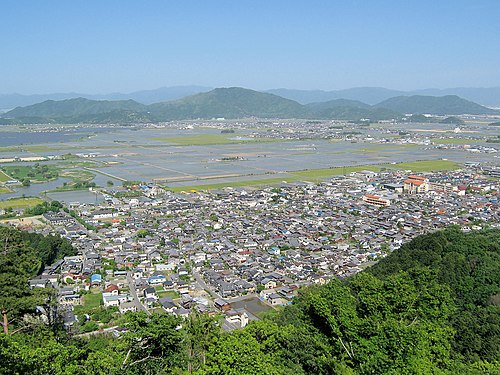
Ōmihachiman is a picturesque city located in Shiga Prefecture, Japan, positioned near the eastern shore of Lake Biwa, the largest freshwater lake in the country. With a population of approximately 40,000, the city is known for its blend of historical and cultural significance, as well as its natural beauty. Established as a castle town in the late 16th century, Ōmihachiman was developed by the famous samurai and warlord Toyotomi Hideyoshi. The city is characterized by its well-preserved traditional architecture, particularly in the Hachiman-bori area, where visitors can find a tranquil canal lined with old wooden buildings that date back to the Edo period. The historic district is replete with quaint shops, tea houses, and museums that showcase the local craftsmanship, particularly in textiles and pottery.
Beyond its historical allure, Ōmihachiman is also known for its vibrant festivals and local traditions. One of the most notable events is the Hachiman Matsuri, held in October, which features ornate floats and traditional music, drawing visitors from all over Japan. The city is strategically located for outdoor activities, with nearby hiking trails and scenic views of Lake Biwa and the surrounding mountains. Additionally, Ōmihachiman is recognized for its agricultural output, particularly rice and sake production, benefiting from the fertile land and favorable climate of the region. Its unique blend of history, culture, and nature makes Ōmihachiman an attractive destination for both domestic and international tourists, providing a glimpse into Japan's rich heritage while offering modern amenities and experiences.
Facts about Ōmihachiman
- Ōmihachiman is known for its well-preserved traditional Japanese architecture, particularly in its historic town area, which dates back to the Edo period.
- The city is famous for its unique 'Hachiman' deity, which is worshipped at the renowned Hachiman Shrine, one of the most important shrines in the region.
- Ōmihachiman features a distinctive network of canals that were historically used for transport and irrigation, contributing to its historical significance as a trading town.
- The city hosts the annual Ōmihachiman Festival, celebrating the region's cultural heritage with elaborate floats and traditional performances, drawing visitors from across Japan.
- Ōmihachiman is home to the famous Taiheizan Daizenji Temple, known for its fire rituals and beautiful gardens, attracting both pilgrims and tourists.
- The city is the birthplace of the renowned Japanese artist and craftsman, Yamada Kōsuke, who pioneered techniques in traditional silk weaving.
- Ōmihachiman is noted for its connections to the Kuroda clan, significant feudal lords of the area, which shaped the region's political history during the Edo period.
- The picturesque views of Lake Biwa from Ōmihachiman, combined with its historical sites, make it a popular spot for both nature lovers and history enthusiasts.
- Ōmihachiman is recognized for its production of traditional 'Kyo-yaki' pottery, which showcases unique styles and techniques distinctive to the region.
- The city was designated as a City of Traditional Crafts by the Japanese Government, highlighting its dedication to preserving and promoting its rich artisanal heritage.