Omsk, Russian Federation
- 1,172,070 people
- 16 places to visit
- 54.9914, 73.3645
Places to Visit (16)
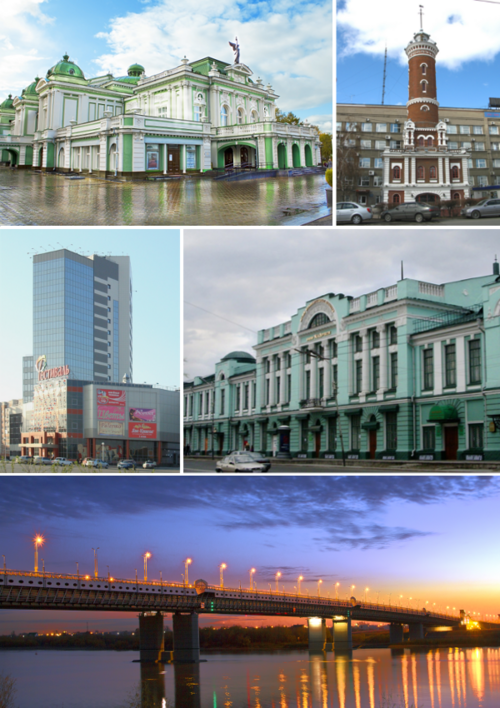
Omsk is a significant city in southwestern Siberia, Russia, situated at the confluence of the Om and Irtysh rivers. It is the administrative center of Omsk Oblast and serves as a crucial transport hub, connecting various regions of Russia and neighboring countries. The city was founded in 1716 as a fort by the Russian Empire and has grown over the centuries into one of the largest cities in Siberia, with a population of over 1.1 million residents as of the last census. Omsk is known for its rich history, vibrant culture, and diverse economy, which includes industries such as machinery, food processing, and chemical production.
Culturally, Omsk has a wealth of resources and institutions, including theaters, museums, and educational establishments. The Omsk State Academic Drama Theater and the Omsk Regional Museum of Fine Arts are notable cultural landmarks that attract both residents and visitors. The city also hosts various festivals and events, celebrating its local heritage and arts. Additionally, Omsk's architectural styles reflect its historical significance, featuring a mix of neoclassical, Gothic, and modern structures, including the famous Assumption Cathedral and the historic Omsk Fortress.
The climate in Omsk is continental, characterized by long, cold winters and short, warm summers. This climatic condition influences both the lifestyle and economic activities of the residents, with winter sports being popular during the cold months. Omsk also plays a strategic role in rail and river transportation, contributing to its economic vitality. The city continues to develop as an educational and industrial center, making it an important player in the regional and national landscape of Russia.
Facts about Omsk
- Omsk is one of the largest cities in southwestern Siberia and serves as the administrative center of Omsk Oblast.
- The city was founded in 1716 and originally served as a military outpost, which contributes to its rich historical background.
- Omsk is known for its unique architecture, particularly the neo-gothic style of the Omsk Drama Theater, which stands out among Russian theaters.
- It is home to the famous 'Omsk Fortress', which was built to protect Russia's borders and represents the city's military heritage.
- Omsk has the distinction of being a significant cultural center, hosting the annual Omsk International Book Fair, attracting literature enthusiasts from across Russia.
- The city is known for its diverse population, with various ethnic groups, including Tatars, Ukrainians, and Germans, contributing to its rich cultural tapestry.
- The Omsk Region is one of the leading agricultural areas in Russia, known for its vast fertile lands and agricultural production.
- Omsk is home to one of the oldest universities in Siberia, Omsk State University, founded in 1974, contributing to the city's reputation for education.
- The 'Raketa' sports complex in Omsk is notable for hosting various sports events and is a key venue for ice hockey, with a passionate local fan base.
- During the Russian Civil War, Omsk served as the temporary capital of the anti-Bolshevik White Movement, highlighting its historical significance during a tumultuous period.