Ōmura, Japan
- 95,146 people
- 8 places to visit
- 32.9, 129.9579
Places to Visit (8)
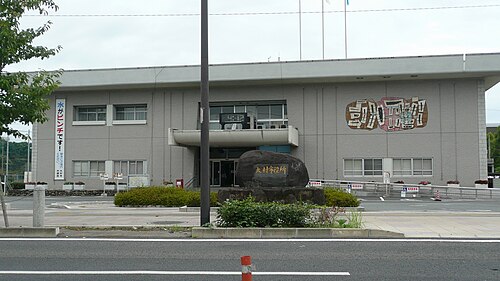
Ōmura is a city located in Nagasaki Prefecture on the island of Kyushu, Japan. It is situated approximately 20 kilometers southeast of Nagasaki City, offering a blend of historical significance and natural beauty. The city covers an area of 98.27 square kilometers and, as of 2021, has a population of around 90,000 residents. Ōmura is known for its picturesque landscapes, which include both coastal scenery along Ōmura Bay and lush mountains in the interior, making it an attractive site for outdoor activities and tourism.
Historically, Ōmura played a pivotal role during Japan's period of international trade and Western influence in the 19th century. The city was one of the first places to open up to foreign trade after Japan ended its long-standing policy of isolation during the Edo period. This period marked the establishment of a Japanese Navy base and the construction of various foreign consulates. The city is notable for its rich cultural heritage, with sites such as the Ōmura Park, which features beautiful cherry blossoms in spring, and the historic Ōmura Yume No Kukan, a cultural center that celebrates local arts and crafts. Additionally, Ōmura is home to several temples and shrines, including the Takinozan Temple, which attracts visitors with its serene atmosphere and scenic views.
In contemporary times, Ōmura has evolved into a hub for education and commerce while maintaining its historical charm. It is particularly known for its agricultural products, including strawberries and various types of seafood harvested from the surrounding waters. The city also promotes tourism through its cultural festivals and events, showcasing traditional Japanese arts and local cuisine. With its combination of modern amenities, historical sites, and natural beauty, Ōmura offers both residents and visitors a unique glimpse into the diverse tapestry of Japan's past and present.
Facts about Ōmura
- Ōmura is known for its historical significance as the site where Christianity was introduced to Japan in the 16th century.
- The city is home to the Ōmura Bay, which is noted for its beautiful scenery and rich marine biodiversity, making it a popular location for recreational activities such as fishing and sailing.
- Ōmura has distinct cultural heritage, highlighted by the Ōmura Shrine, which features traditional Japanese architecture and is dedicated to the deity of agriculture.
- The city played a crucial role during Japan's modernization period in the late 19th century, serving as a base for Western technology and education.
- Ōmura is famous for its annual event, the Ōmura Flower Festival, showcasing local flora and promoting the region's agricultural products.
- The city has a significant historical connection to the samurai and was once the home of the notable samurai lord Matsura Takanobu.
- Ōmura has a rich tradition of pottery and is known for its unique ceramic styles, particularly the 'Ōmura-yaki' pottery.
- The city features a range of historical buildings and remnants from the Edo period, providing insight into Japan's past.
- Ōmura is one of the few places in Japan that maintains an old branch of the 'Nagasaki kaido', the historic road connecting Nagasaki and other cities.
- The city is also recognized for its beautiful parks and green spaces, such as the Yamato Park, which boasts cherry blossom trees that attract visitors during sakura season.