Ōmuta, Japan
- 131,974 people
- 12 places to visit
- 33.0302, 130.4461
Places to Visit (12)
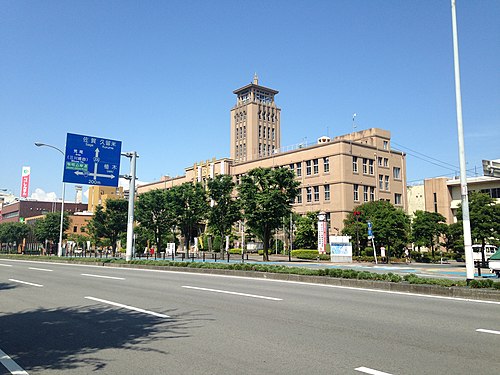
Ōmuta is a city located in Fukuoka Prefecture on the island of Kyushu, Japan. It is situated near the Ariake Sea and is approximately 30 kilometers north of Fukuoka city, one of the nation's major urban centers. Founded on March 1, 1954, Ōmuta's formation was a result of the merger of several neighboring towns, which has contributed to its development over the years. The city has a rich history rooted in coal mining, which became the backbone of its economy during the post-World War II period. At its height, Ōmuta was known for its extensive coal resources, attracting a significant workforce and contributing to Japan's industrial growth.
As industry declined in the latter half of the 20th century, Ōmuta diversified its economic pursuits, focusing on sectors such as commerce, agriculture, and manufacturing. The city is particularly noted for its agricultural production, especially rice, and various fruits, taking advantage of the region’s fertile lands. Cultural landmarks such as the Ōmuta City Museum and the historical Hachimangu Shrine reflect the city's heritage and community spirit. The annual events like the Ōmuta Fireworks Festival draw visitors from across the region, showcasing the city’s vibrant culture and local traditions. With a population of around 123,000, Ōmuta continues to blend its historical significance with modern development, making it a distinctive part of Fukuoka Prefecture’s landscape.
Transportation is facilitated by several rail lines, linking the city to surrounding areas, making it accessible for both residents and tourists. Furthermore, Ōmuta has been working towards enhancing its environmental sustainability efforts and improving quality of life for its citizens. As a city with a deep historical background and modern aspirations, Ōmuta represents a dynamic example of Japan's smaller urban centers navigating the challenges of contemporary society while maintaining its unique identity.
Facts about Ōmuta
- Ōmuta is known for the unique cultural heritage of coal mining and features the old coal mining town scents and relics, especially in the historical Ebisudai area.
- The city is home to the Ōmuta City Zoo, which is notable for its collection of rare animals, including the endangered Sumatran tiger.
- Ōmuta hosts the annual Ōmuta Fireworks Festival, one of the largest fireworks displays in Kyushu, attracting thousands of visitors each summer.
- The city is famous for the Ōmuta Museum of Art, which showcases the works of modern and traditional artists, emphasizing the region's artistic culture.
- Ōmuta was once a major coal production center in Japan and played a significant role in the Industrial Revolution in the country during the late 19th and early 20th centuries.
- The Kinrin Park in Ōmuta is renowned for its stunning cherry blossoms, which attract hanami (flower viewing) enthusiasts each spring.
- Ōmuta has preserved the historical architecture of its coal town past, including the former Mitsubishi Coal Mine headquarters, adding to its unique industrial heritage.
- The city is closely associated with local festivals, particularly the Chōchin Matsuri (Lantern Festival), which features vibrant floats and traditional dances.
- Ōmuta’s culinary scene includes unique local dishes such as 'Ōmuta Ramen' and is known for its rich agricultural products, including sweet potatoes and peaches.
- The Ōmuta area is also recognized for its contributions to the development of ceramics and pottery, with local artisans creating handcrafted pottery that reflects the region's artistic traditions.