Ondo, Nigeria
- 375,000 people
- 2 places to visit
- 7.0932, 4.8353
Places to Visit (2)
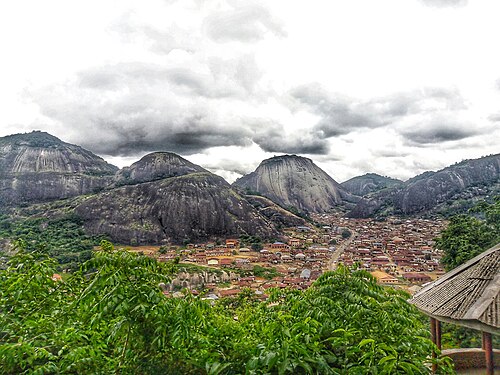
Ondo is a prominent city located in the southwestern part of Nigeria, serving as the capital of Ondo State. The city is situated on a hilltop, approximately 250 kilometers northeast of Lagos, and plays a pivotal role in the region’s politics, commerce, and culture. Ondo has a rich history, largely influenced by the Yoruba ethnic group, which is predominant in the area. The city was recognized for its agricultural development, particularly in palm oil production and cocoa farming, during Nigeria's early industrialization. Today, Ondo is characterized by a blend of modernity and tradition, where ancient customs coexist with contemporary city life.
The population of Ondo is diverse, comprising various ethnic groups, but predominantly consists of the Yoruba people. The city is known for its vibrant festivals, most notably the annual Ondo Carnival, which attracts visitors from various parts of Nigeria and beyond. This carnival showcases the city's rich cultural heritage through music, dance, and colorful parades. Additionally, Ondo has a number of educational institutions, including Adeyemi College of Education and the Ondo State University of Science and Technology, contributing to the educational growth of the region. Economic activities within the city have evolved, with sectors such as trade, agriculture, and small-scale manufacturing playing significant roles in the local economy. Ondo remains a key player in Nigerian politics and is noted for its contributions to the nation’s governance through various political figures hailing from the city.
Facts about Ondo
- Ondo is known for its rich cultural heritage, which is reflected in its traditional festivals such as the Ondo Festival, celebrated to honor the founding ancestors of the town.
- The city is home to the oldest existing church in Nigeria, St. Andrew's Anglican Church, built in 1868, which showcases the historical spread of Christianity in the region.
- Ondo serves as the capital of Ondo State and has been a crucial administrative center since its establishment in 1976, differentiating it from many other cities in the region.
- The town is famously associated with the leadership of Chief Olusegun Agagu, a former governor of Ondo State, who contributed significantly to its educational and infrastructural development.
- Ondo is renowned for its arts and crafts, particularly its intricate beadwork and traditional textile production, which attracts artisans and tourists alike.
- The city is situated near the Atlantic coast, providing it with a unique coastal climate and biodiversity that is rare among inland towns and cities in Nigeria.
- Ondo is home to the Olokun Festival, an annual event that celebrates the Yoruba goddess of the sea, showcasing traditional dances, music, and rituals that draw locals and visitors together.
- In addition to its cultural significance, Ondo has a strong agricultural base, particularly in cocoa production, contributing to Nigeria's position as one of the largest cocoa producers in the world.
- The city features prominent educational institutions, including the Adeyemi College of Education, which has a notable influence on teacher training in Nigeria.
- Ondo's historical role as a center for the resistance against colonial rule, particularly during the Olowo of Ondo's governance, sets it apart as a town with a significant political legacy.