Ongole, India
- 172,872 people
- 7 places to visit
- 15.5057, 80.0499
Places to Visit (7)
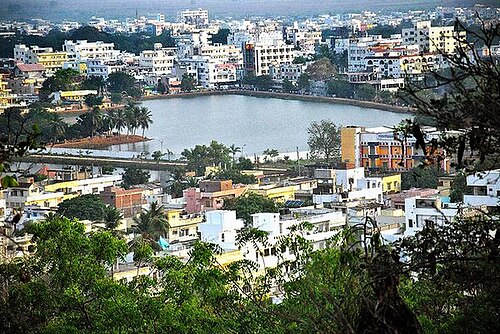
Ongole is a city located in the Prakasam district of Andhra Pradesh, India. Situated approximately 365 kilometers southeast of the state capital Amaravati, Ongole lies in a region characterized by its fertile agricultural landscape. The city has a rich cultural heritage and is known for its historical significance, which dates back to ancient times. The name "Ongole" is derived from the local language, meaning “the place of the Ongolu cow,” which is a breed indigenous to this area. The economy of Ongole is primarily agrarian, with agriculture playing a crucial role in the livelihood of its residents. The city is famous for the cultivation of crops like rice, tobacco, and various pulses, while livestock farming is also significant due to the traditional Ongole cattle.
Ongole also serves as an important commercial hub in the region, with a bustling marketplace that offers a variety of goods and services. The city features several educational institutions, including schools and colleges that cater to the educational needs of the local population. Ongole's cultural landscape is vibrant, with numerous festivals celebrated throughout the year, including Dasara and Sankranti, which reflect the local customs and traditions. The city is also home to several temples, such as the Kashi Vishwanath Temple, showcasing the religious diversity and spirituality of its residents. Although Ongole is not as widely known as some other cities in India, it holds significant importance in terms of agriculture, culture, and commerce, contributing to the overall development of Andhra Pradesh.
Facts about Ongole
- Ongole is famous for its Ongole breed of cattle, known for its strength and high milk production, making it an important center for dairy farming in India.
- The city is situated in the Prakasam district of Andhra Pradesh and is known for its vibrant agricultural landscape, especially in the cultivation of tobacco and groundnuts.
- Ongole has a historical significance tied to the Kakatiya dynasty, with structures like the ancient temples that reflect the architectural styles of that era.
- The city played a critical role in the Salt Satyagraha during the Indian independence movement, showcasing its historical significance in the fight against British rule.
- Ongole is known for its unique 'Ongole Ranga' clothes, a traditional handloom product that is colorful and culturally significant.
- The city hosts the annual Ongole Bull Jatra, a livestock fair that attracts breeders and farmers from across the region, showcasing the local agricultural heritage.
- Ongole was named after the Ongole breed of oxen, which were historically used for agriculture and pulling carts, intertwining the city’s identity with its livestock.
- The city is a hub for various educational institutions, including several universities and colleges that contribute to the higher education landscape in Andhra Pradesh.
- Ongole is also recognized for its religious importance, with several ancient temples like the Chowdeswari Temple that attract pilgrims and tourists alike.
- The city's culture reflects a blend of traditions from different communities, making it a melting pot of languages, cuisines, and festivals commonly celebrated throughout the year.