Onitsha, Nigeria
- 1,553,000 people
- 11 places to visit
- 6.1329, 6.7924
Places to Visit (11)
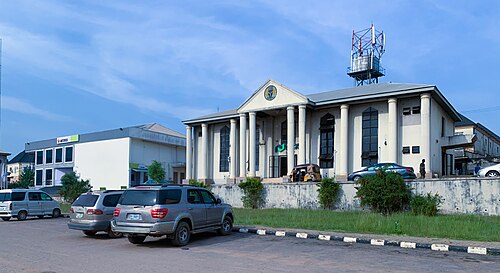
Onitsha is a prominent city located in Anambra State, Nigeria, situated along the eastern bank of the Niger River. Known as one of the largest commercial centers in the country, Onitsha has a rich history that dates back to its founding in the early 19th century. Traditionally a trading hub, the city developed rapidly during the colonial period due to its strategic position as a river port, facilitating trade between the inland regions and coastal ports. The Onitsha Main Market, one of the largest markets in West Africa, is a testament to the city's status as a center of commerce, where various goods, including textiles, food, and electronics, are traded daily.
Onitsha is celebrated for its vibrant culture and diverse communities, prominently featuring the Igbo ethnic group. The city hosts several cultural festivals, such as the New Yam Festival, which showcases traditional music, dance, and cuisine, reflecting the rich heritage of the Igbo people. Education is also vital in Onitsha, boasting several institutions, including the Nnamdi Azikiwe University, which is in the nearby Awka, and various secondary schools and vocational training centers. Moreover, Onitsha is instrumental in the socio-political landscape of Nigeria, serving as a key location for various political activities and movements. The city is well-connected by road and by the Niger River, ensuring efficient transportation of people and goods, which continues to contribute to its economic growth and development.
Despite facing challenges such as urbanization, infrastructure deficits, and environmental issues, Onitsha is undergoing significant transformations aimed at improving the quality of life for its residents. Government and private sector initiatives seek to enhance urban planning, sanitation, and health care within the city. The resilience of its people, combined with the city’s entrepreneurial spirit, continues to drive Onitsha's evolution as an important economic and cultural center in Nigeria. With its blend of tradition and modernity, Onitsha remains a vital part of the nation’s identity and a key player in its ongoing development.
Facts about Onitsha
- Onitsha is known as one of the major commercial and trade hubs in Nigeria, often referred to as the 'Junction City' due to its strategic location along the Niger River and its proximity to major roads.
- The Onitsha Market, also known as the 'Main Market,' is one of the largest and busiest markets in West Africa, attracting traders and shoppers from all over Nigeria and beyond.
- Onitsha has a rich history dating back to the 15th century, with a significant population involved in trade, agriculture, and craftsmanship, contributing to its cultural heritage.
- The city is home to the famous Onitsha 'Ogbunike Caves,' a network of caves and tunnels that are not only a natural wonder but also hold cultural and historical significance.
- Onitsha played a crucial role during the Nigerian Civil War (1967-1970) and was known for hosting various displaced persons and refugees during the conflict.
- The city has a unique festival, the 'Onitsha Annual Cultural Festival,' which celebrates the rich Igbo culture and heritage, showcasing traditional music, dance, food, and arts.
- Onitsha boasts the first modern bridge built across the Niger River, the Niger Bridge, which connects it to Asaba in Delta State and serves as a key transportation link.
- The Anglican Diocese of Onitsha is one of the largest in Nigeria, reflecting the city's Christian heritage and importance in religious affairs in the region.
- Onitsha is home to several prestigious higher education institutions, including Nnamdi Azikiwe University and the Federal Polytechnic, contributing to the city's reputation as an educational center.
- The city is notable for its vibrant literary culture, producing renowned authors and writers, including Chimamanda Ngozi Adichie, who often highlights her Igbo heritage in her works.