Orăştie, Romania
- 20,763 people
- 3 places to visit
- 45.8451, 23.2019
Places to Visit (3)
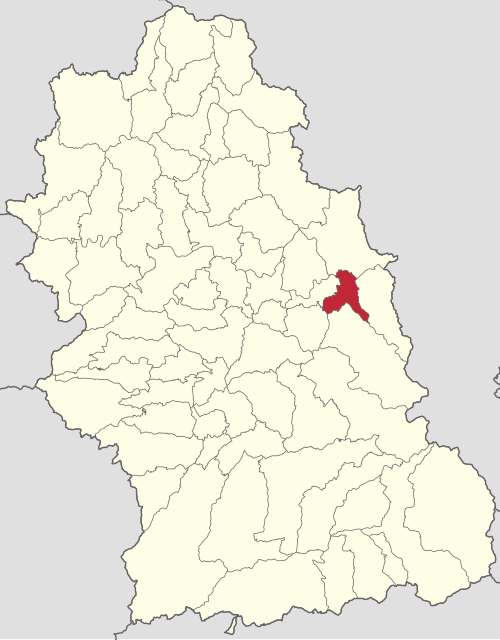
Orăştie is a town located in central Romania, within Hunedoara County, nestled in the historical region of Transylvania. The town lies at the foothills of the Retezat Mountains, alongside the Strei River, and is surrounded by scenic landscapes that reflect the region’s natural beauty. Orăştie has a rich history, dating back to Roman times, when it was known as Aurelianorum, a settlement established to protect the Roman Empire’s borders. Throughout the centuries, the town has preserved numerous historical and architectural landmarks, including the ruins of the Roman fortress of Fetești and the Gothic-style Evangelical Church, which dates back to the 13th century.
In modern times, Orăştie has developed into a small urban center with a population of approximately 13,000 residents. The economy of the town has historically been centered around agriculture, forestry, and small-scale industries, but it has also seen growth in tourism owing to its proximity to the Apuseni and Retezat National Parks, which attract outdoor enthusiasts. The local area is known for its traditional craftsmanship, including woodworking and textiles, as well as the production of local agro-food products. Cultural traditions are celebrated through various festivals, emphasizing the area’s folklore and handicrafts, contributing to the preservation of local heritage.
The town serves as a gateway to several historical sites, including the Dacian Fortresses of the Orăștie Mountains, which are UNESCO World Heritage Sites. These ancient fortifications reflect the significance of the Dacian culture in this region prior to the Roman conquest. Additionally, Orăştie is well-connected by road and rail, facilitating access to nearby cities like Deva and Sibiu, making it a convenient stop for visitors exploring the rich culture and history of Transylvania. Overall, Orăştie is a town that embodies a blend of historical significance and natural beauty, making it a noteworthy destination in Romania.
Facts about Orăştie
- Orăştie is known for its rich history, having been settled since the Dacian times, and is part of the ancient Dacian territory.
- The city is home to the UNESCO World Heritage-listed Dacian Fortresses, which are remarkable archaeological sites that reflect the advanced Dacian civilization.
- Orăştie hosts the famous 'Orăştie Mountain' area, a popular destination for hiking and outdoor activities, featuring stunning natural landscapes.
- The city is known for its unique architecture, including the neo-Gothic style of the Orthodox Cathedral, which distinguishes it from other cities in Romania.
- Orăştie is situated at the crossroads of several important historical trade routes, contributing to its diverse cultural influences.
- The city hosts the annual 'Orăştie Festival', which celebrates local culture with traditional music, crafts, and food, creating a vibrant community atmosphere.
- Orăştie is noted for its thermal springs and spa culture, attracting visitors looking for wellness and relaxation, a feature less common in other Romanian towns.
- The nearby Râmeț Monastery, a historical site with beautiful frescoes, is a significant pilgrimage destination, emphasizing the area's religious heritage.
- Orăştie was formerly an important military and administrative center during the Austro-Hungarian Empire, which left a lasting impact on its development and architecture.
- The city has a diverse population that reflects various ethnic backgrounds, including Romanian, Hungarian, and Roma communities, contributing to its multicultural identity.