Orihuela, Spain
- 86,164 people
- 16 places to visit
- 38.0855, -0.948
Places to Visit (16)
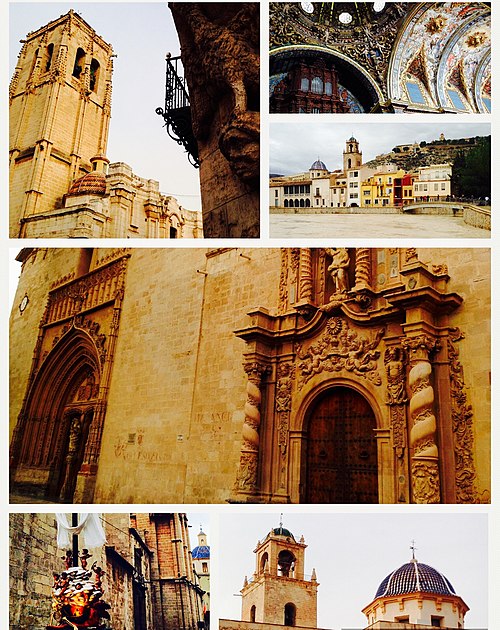
Orihuela is a historic city located in the province of Alicante, Spain, within the autonomous community of Valencia. Situated along the Segura River, approximately 20 kilometers from the Mediterranean coast, Orihuela has a rich cultural and historical legacy that dates back to ancient times. The city was founded by the Iberians and later became a significant settlement for the Romans, who called it "Orihuela." It continued to flourish during the Visigothic period and subsequently fell under Moorish control in the 8th century, which profoundly influenced its architecture and cultural development. The Reconquista in the late 13th century led to the city being integrated into the Kingdom of Castile, further shaping its historical narrative.
Orihuela is renowned for its impressive array of historical landmarks, including the Cathedral of El Salvador, which showcases a blend of Gothic and Baroque architectural styles. The cathedral, originally built in the 13th century, was later modified, reflecting the evolving artistic trends of successive centuries. Another notable site is the Palacio de Rubalcava, a magnificent Renaissance building that serves as a testament to the city’s aristocratic history. The city also celebrates its rich cultural heritage through various festivals, particularly Semana Santa, or Holy Week, which features elaborate processions and attracts visitors from all over the region. Additionally, Orihuela is known for its beautiful natural surroundings, including mountains, fertile agricultural land, and proximity to the stunning beaches of the Costa Blanca.
Economically, Orihuela thrives on a mix of agriculture, industry, and tourism. The surrounding fertile lands produce a variety of crops, including citrus fruits and vegetables, contributing significantly to the local economy. In recent years, the city has also seen a rise in tourism, with visitors drawn to its historic sites, cultural activities, and the Mediterranean climate. Orihuela’s strategic location near major urban centers, coupled with its historical charm, makes it an attractive destination for both domestic and international tourists. The blend of history, culture, and natural beauty continues to define Orihuela as one of the prominent cities in the Valencian region.
Facts about Orihuela
- Orihuela is known for its rich medieval history, with the city being an important center during the 10th century in the Kingdom of Valencia.
- The city is home to the Cathedral of Santa María, a stunning example of Gothic architecture which was built on the remains of a mosque.
- Orihuela celebrates the Festival of Moors and Christians, a unique cultural event that commemorates the historical battles between the two groups, featuring colorful parades and reenactments.
- The city is also known for its exceptional contribution to Spanish literature, being the birthplace of the famous poet Miguel Hernández, who is celebrated for his impactful works.
- Orihuela features over 30 historic buildings and monuments, giving it a distinct charm that sets it apart from many other towns in Spain.
- The city's historic quarter has been declared a Cultural Asset of National Interest, highlighting its architectural and historical significance.
- Orihuela has a unique local cuisine that includes traditional pastries like 'tortas de pimiento' and 'tortas de orujo', distinct from dishes found in other regions of Spain.
- The city is known for its palm groves, which were declared a UNESCO World Heritage Site due to their cultural landscape characteristics.
- Orihuela hosts the annual 'Semana Santa' (Holy Week), which is one of the oldest and most important celebrations in Spain, featuring elaborate processions and religious ceremonies.
- The city's close proximity to the Segura River has played a crucial role in its agricultural development, distinguishing its economy from more coastal Spanish towns.