Oroville CA, United States
- 16,260 people
- 15 places to visit
- 39.5138, -121.5564
Places to Visit (15)
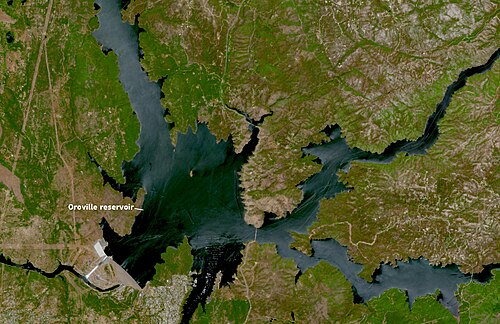
Oroville is a city located in Butte County, California, situated in the northern Sierra foothills and approximately 70 miles north of Sacramento. Known for its picturesque landscapes, Oroville is surrounded by natural beauty, including the Feather River and Lake Oroville, which is one of the state's largest reservoirs. The city was founded during the California Gold Rush in the mid-1800s, becoming a significant mining hub as prospectors flocked to the area in search of gold. It was officially incorporated as a city in 1906, and its historic downtown area features several preserved buildings from the 19th century that reflect its rich heritage.
A significant landmark in Oroville is the Oroville Dam, completed in 1968, which is one of the highest concrete dams in the United States. It plays a crucial role in water storage, hydroelectric power generation, and flood control for the Feather River watershed. While the dam has been instrumental for the region, it gained national attention in early 2017 when concerns over its safety prompted the evacuation of thousands of residents due to the risk of potential failure after heavy rains. Aside from its historical and infrastructural significance, Oroville thrives as a center for outdoor recreation, offering opportunities for fishing, boating, hiking, and camping. The city is also home to the Oroville Wildlife Area and various parks, enhancing its appeal to nature lovers and outdoor enthusiasts.
Oroville maintains a diverse community, and its economy is supported by various sectors, including agriculture, retail, and tourism. The local culture is reflected in numerous events throughout the year, like the Oroville Salmon Festival, celebrating the region's salmon run, and the annual Butte County Fair, which highlights the agricultural heritage of the area. Education is provided by the Oroville Union High School District and the Butte County Office of Education. With its combination of historical significance, natural beauty, and community spirit, Oroville continues to be an essential part of northern California's landscape.
Facts about Oroville
- Oroville is home to the Feather River, which supports a diverse ecosystem and is a popular location for fishing, kayaking, and other recreational activities.
- The city is known for the Oroville Dam, the tallest earth-filled dam in the United States, which is crucial for flood control, water supply, and hydroelectric power generation.
- Oroville has a rich gold mining history, as it was established during the California Gold Rush in the 1850s and features numerous historical sites related to this era.
- The city hosts the annual Oroville Salmon Festival, celebrating the return of salmon to the Feather River, highlighting local ecology and the significance of the river to the community.
- Oroville is recognized for its significant Native American heritage, particularly as the traditional homeland of the Maidu people, who have a deep connection to the land and waterways.
- The city markets itself as the 'Gateway to the Gold Country', attracting tourists interested in the historical attractions linked to California's early gold mining days.
- Oroville has a unique topographic feature called the Feather River Canyon, famous for its stunning vistas and popular hiking trails, creating a natural attraction distinct from many other urban areas.
- In 2017, Oroville gained national attention due to the emergency evacuation of residents when the Oroville Dam spillway was found to be at risk of catastrophic failure.
- The city is home to the historic Chinese Temple, which reflects Oroville’s rich multicultural history and the significant contributions of Chinese immigrants during the gold rush.
- Oroville's local economy benefits significantly from agriculture, particularly almond production, making it a key player in California’s agricultural landscape.