Orūmīyeh, Iran
- 577,307 people
- 4 places to visit
- 37.5498, 45.0786
Places to Visit (4)
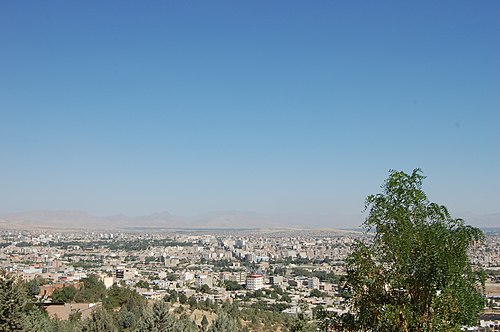
Orūmīyeh is a city located in the northwest of Iran, serving as the capital of the West Azerbaijan Province. Situated at an elevation of about 1,330 meters (4,364 feet) above sea level, Orūmīyeh is nestled between the volcanic mountains of Sahand and the shores of Lake Urmia, one of the largest saltwater lakes in the world. The city has a rich history that dates back to antiquity, with archaeological evidence indicating that it was inhabited since at least the 6th century BCE. Historically known as "Urmia" or Urmiyah, the area has been an important center for Zoroastrianism, Christianity, and Islam, reflecting a diverse cultural legacy.
The economy of Orūmīyeh is based on a combination of agriculture, trade, and tourism. The fertile plains around the city are conducive to the cultivation of crops such as grains, fruits, and vegetables, making it an essential agricultural hub in the region. Additionally, the city is recognized for its production of saffron, a highly sought-after spice. Orūmīyeh's strategic location at the crossroads of Iran, Turkey, and Iraq enhances its significance as a commercial center, facilitating trade between these nations. Alongside its economic activities, the city attracts visitors to its historical sites and natural beauty, including the nearby Lake Urmia, which is a UNESCO biosphere reserve known for its unique ecosystems and migratory birds.
Culturally, Orūmīyeh is known for its diverse population, primarily consisting of ethnic Azerbaijanis, with significant Kurdish and Assyrian communities. This multicultural environment manifests in the city's festivals, culinary traditions, and vernacular. The region is famous for its musical heritage, particularly in folk music, and there are numerous cultural festivities throughout the year that celebrate the local traditions. With its historical depth, vibrant economy, and rich cultural landscape, Orūmīyeh continues to be a pivotal city in Iran, embodying the intricate tapestry of its past and present.
Facts about Orūmīyeh
- Orūmīyeh is known for its rich cultural heritage, being home to several ancient civilizations and historical sites, including the ruins of the Urartian fortress.
- The city sits on the shores of Lake Orūmīyeh, one of the largest saltwater lakes in the world, which is a UNESCO Biosphere Reserve.
- Orūmīyeh has a diverse population that includes various ethnic groups, such as Azeris, Kurds, and Assyrians, contributing to a rich multicultural environment.
- The region is famous for its vineyards and is known for producing quality wines, particularly in the historical context of Persian viticulture.
- Orūmīyeh is noted for its unique cuisine, including dishes such as 'Dolma', 'Kofta', and 'Saj' which reflect the area's diverse cultural influences.
- The city hosts the annual Orūmīyeh International Film Festival, showcasing films from around the world and promoting cultural exchange.
- Orūmīyeh has a notable historical significance as it was once an important center of Christianity, housing one of the oldest Christian communities in Persia.
- The Orūmīyeh region is known for its stunning mountainous landscapes, particularly the Sahand and Three Thousand Mountains, making it a popular destination for nature lovers.
- The city is recognized for its contributions to Persian literature, producing notable poets and writers, particularly during the Seljuk and Ilkhanid periods.
- Orūmīyeh has a significant historical Jewish community, with the remnants of ancient synagogues and a long-standing presence dating back thousands of years.