Oruro, Bolivia
- 208,684 people
- 13 places to visit
- -17.9717, -67.0931
Places to Visit (13)
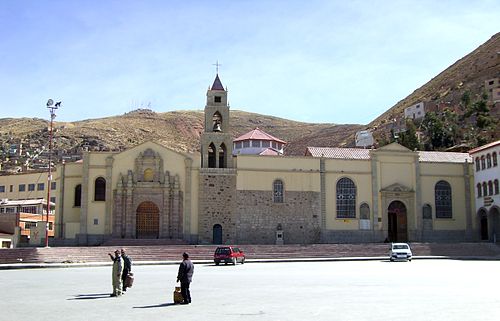
Oruro is a city in Bolivia known for its rich cultural heritage and significant historical background. Located at an altitude of approximately 3,700 meters (12,140 feet), Oruro is the capital of the Oruro Department and one of the highest cities in the world. The city was founded in the 17th century and originally developed around silver mining, which played a crucial role in its economic growth and historical importance. Oruro's mines were once among the richest in the Americas, attracting many workers and establishing the city as a vital hub of commerce and settlement. The city remains a center of economic activity, primarily through mining but also through agriculture and trade.
One of the most prominent features of Oruro is its Carnival, widely regarded as one of the most important festivals in South America. Recognized by UNESCO as a Masterpiece of the Oral and Intangible Heritage of Humanity, the Carnival de Oruro combines indigenous and Spanish cultural traditions. The festivities, which take place in February or March, feature colorful parades filled with music, dance, and elaborate costumes, representing various folkloric characters and themes. In addition to the Carnival, Oruro is home to significant landmarks, including the Basilica of Socavón, which houses the image of the Virgin of Socavón, the city’s patroness. This remarkable fusion of traditions, culture, and historical significance makes Oruro an essential part of Bolivia's identity. The city's enduring legacy continues to attract tourists and researchers interested in its diverse cultural tapestry and vibrant community spirit.
Facts about Oruro
- Oruro is known for its rich cultural heritage, especially its Carnaval de Oruro, which is recognized as a Masterpiece of the Oral and Intangible Heritage of Humanity by UNESCO.
- The city has a unique tradition of 'Diablada', a folkloric dance performed during carnival, which represents the struggle between good and evil and showcases colorful costumes and masks.
- Oruro is situated at an altitude of approximately 3,700 meters (12,139 feet), making it one of the highest cities in the world, which contributes to its unique climate and landscape.
- Home to the impressive 'Santuario del Socavón', a significant religious site and the main cathedral of Oruro, which is a major pilgrimage destination for thousands of the faithful each year.
- Oruro's mining history dates back to the colonial era, and the city was once a major center for tin mining, which significantly contributed to Bolivia's economy in the 20th century.
- The city was founded in the early 18th century as a mining town and was initially called 'La Villa de San Felipe de Austria' until it became known as Oruro.
- Oruro is also famous for its unique landscapes, including the nearby Tunari Mountain, offering scenic views and outdoor activities for visitors.
- The city hosts the 'Festival de la Candelaria', another significant cultural event that celebrates local traditions and indigenous beliefs in February each year.
- Oruro has a diverse population, including various indigenous groups such as the Aymara and Quechua, contributing to the city's rich cultural tapestry.
- The architecture of Oruro includes a blend of colonial-style buildings and indigenous influences, making it distinct from other Bolivian cities.