Ōsaki, Japan
- 128,763 people
- 13 places to visit
- 38.5771, 140.9556
Places to Visit (13)
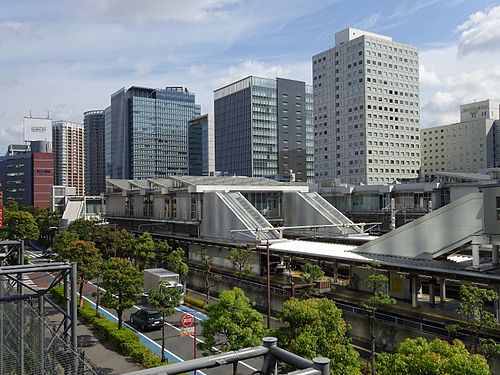
Ōsaki is a city located in the Miyagi Prefecture of Japan, situated in the northeastern region of the country on the Pacific coast. Established as a city in 2005 through the merger of several towns, Ōsaki serves as a significant urban center in the area, known for both its agricultural output and industrial activities. The city is well-connected by transportation, featuring major rail lines including the Tōhoku Shinkansen and regular train services which facilitate easy access to nearby cities such as Sendai, the capital of Miyagi Prefecture. The surrounding natural landscape, characterized by mountains and rivers, provides a picturesque backdrop for the city's development.
Ōsaki has a rich cultural heritage, with numerous festivals and events that reflect its historical significance and local traditions. The city is home to the ancient site of the Fudō Myōō Temple, a significant Buddhist temple that attracts visitors for both its spiritual importance and architectural beauty. Furthermore, Ōsaki is renowned for its agricultural products, particularly rice, fruits, and vegetables, which benefit from the fertile lands of the region. The city also participates actively in the manufacturing sector, contributing to the economy with a diverse range of industries, including steel production and electronic components. Additionally, Ōsaki's vibrant local community plays a vital role in promoting tourism and preserving the region's cultural identity, making it an integral part of Miyagi Prefecture's charm and appeal.
Facts about Ōsaki
- Ōsaki is known for its rich historical significance as it served as a crucial post town during the Edo period, facilitating trade and travel.
- The city is home to the famous 'Osaki Hachiman Shrine', one of the largest Hachiman shrines in the region, attracting numerous visitors and worshippers.
- Ōsaki has a unique connection to the production of 'Ōsaki beef', a high-quality Wagyu that is celebrated for its marbling and tenderness.
- The city is also recognized for its vibrant rice cultivation, with the 'Ōsaki rice' often praised for its flavor and quality, contributing to the region's agricultural reputation.
- Ōsaki hosts the 'Omagari Fireworks Festival', one of Japan's most spectacular firework displays, attracting thousands of visitors annually.
- The city's 'Omagari' district is famous for its traditional crafts, particularly for producing high-quality paper known as 'Omagari Washi'.
- Ōsaki has unique geological features, including the scenic 'Miyoshi Valley', which provides stunning views and hiking opportunities.
- The city has an active role in the promotion of local culture and traditions, exemplified by the 'Ōsaki Tanabata Festival', a traditional star festival celebrated every July.
- Ōsaki is well-connected with historical sites like the 'Nishi-Hongo Castle Ruins', providing deeper insight into the region's samurai heritage.
- The city emphasizes sustainability and innovative agriculture, recently launching initiatives for eco-friendly farming practices to preserve its natural beauty.