Osijek, Croatia
- 75,535 people
- 13 places to visit
- 45.555, 18.6955
Places to Visit (13)
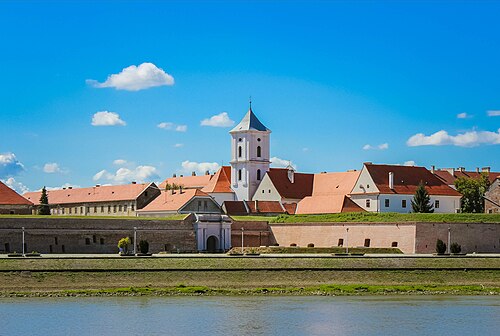
Osijek is a vibrant city located in eastern Croatia, serving as the administrative center of the Osijek-Baranja County. It lies on the banks of the Drava River, close to the border with Hungary and Serbia. With a population of over 100,000 residents, Osijek is the fourth-largest city in Croatia and a key economic, cultural, and educational hub in the region. The city has a rich history that dates back to Roman times, when it was known as Mursae. Its historical legacy is evident in its architecture, which features a mix of styles including Baroque, Renaissance, and modern constructions, particularly evident in the city's historic core, Tvrđa. This 18th-century fortress represents a major attraction, showcasing cobblestone streets, traditional buildings, museums, and galleries, which reflect the city’s artistic and cultural heritage.
Osijek is also known for its educational institutions, notably the University of Osijek, which attracts a diverse student population and contributes to the city's youthful energy. The city is characterized by a vibrant cultural scene with numerous festivals, theaters, and music events throughout the year, fostering a strong sense of community and engagement. Additionally, Osijek boasts beautiful parks and river promenades that enhance the quality of life, making it an attractive destination for both residents and visitors. Economically, the city benefits from agriculture, trade, and manufacturing, with a growing focus on tourism. Visitors are drawn to Osijek for its rich culinary offerings, often showcasing local specialties such as kulen, a spicy sausage made from pork, and fish dishes from the nearby Danube River. Furthermore, Osijek serves as a gateway to the nearby Kopački Rit Nature Park, one of Europe’s largest wetlands, which is home to diverse wildlife and unique ecosystems, appealing to nature enthusiasts and ecotourists alike. Overall, Osijek presents a harmonious blend of history, culture, and natural beauty, making it a significant and appealing part of Croatia's landscape.
Facts about Osijek
- Osijek is known for its unique Baroque-style architecture, particularly visible in the Tvrđa, a well-preserved fortress that dates back to the 18th century.
- The city has a significant cultural contribution as it is home to the Croatian National Theatre in Osijek, which showcases a variety of performances, including drama, ballet, and opera.
- Osijek is located at the confluence of the Drava and Danube rivers, providing it with a strategic position for trade and a picturesque waterfront.
- The city hosts the famous European Youth Sports Festival, attracting young athletes from across Europe to compete in multiple sports disciplines.
- Osijek is renowned for its parks and green spaces, particularly the popular Ante Starčević Park, which is one of the largest urban parks in the region.
- It is also known for its wine production, particularly Ražnjević, a local variety that has gained recognition in the Croatian wine market.
- Osijek is a hub for education and research, with institutions like the Josip Juraj Strossmayer University, which offers diverse programs and attracts students from various countries.
- The city has a rich history that includes being a key military and trade center in the Austro-Hungarian Empire, contributing to its diverse cultural influences.
- Osijek also celebrates a variety of festivals, including the Osijek Summer Festival, which features music, theatre, and street performances across the city's cultural venues.
- The architecture of Osijek includes many monuments and buildings that reflect the city's multicultural past, such as the Church of St. Peter and Paul, showcasing Neo-Gothic style.